Voters weigh Iran conflict and costs in pivotal 2026 midterms
With polls open, candidates and citizens debate how the ongoing war with Iran will shape the final two years of President Trump's second term.
By Ivan Dvorak ·
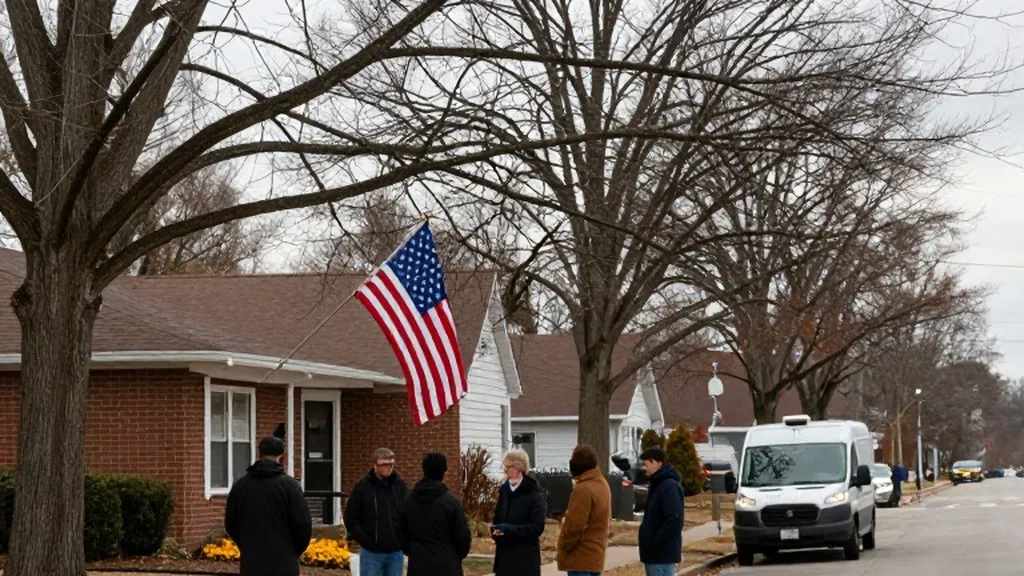
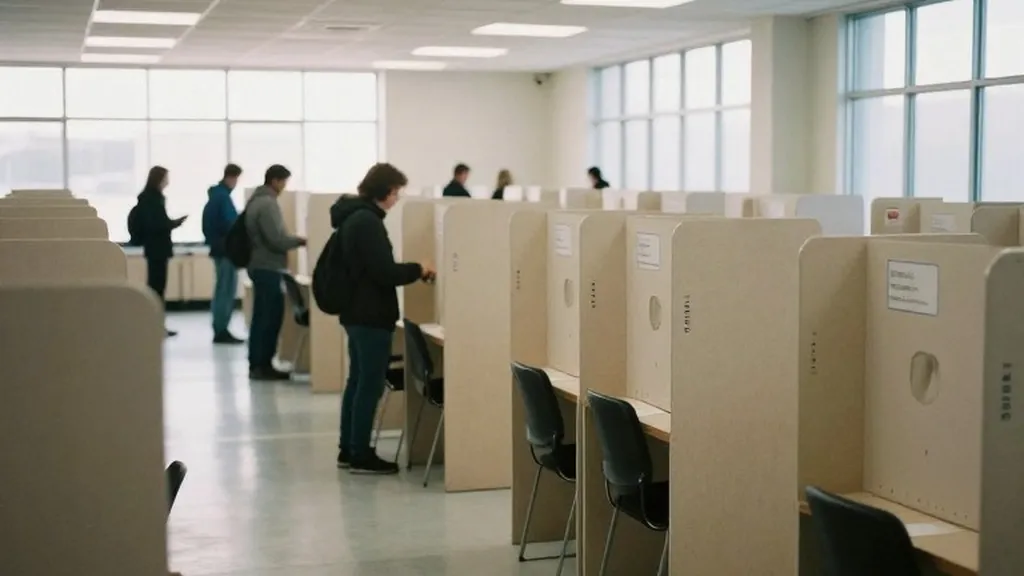
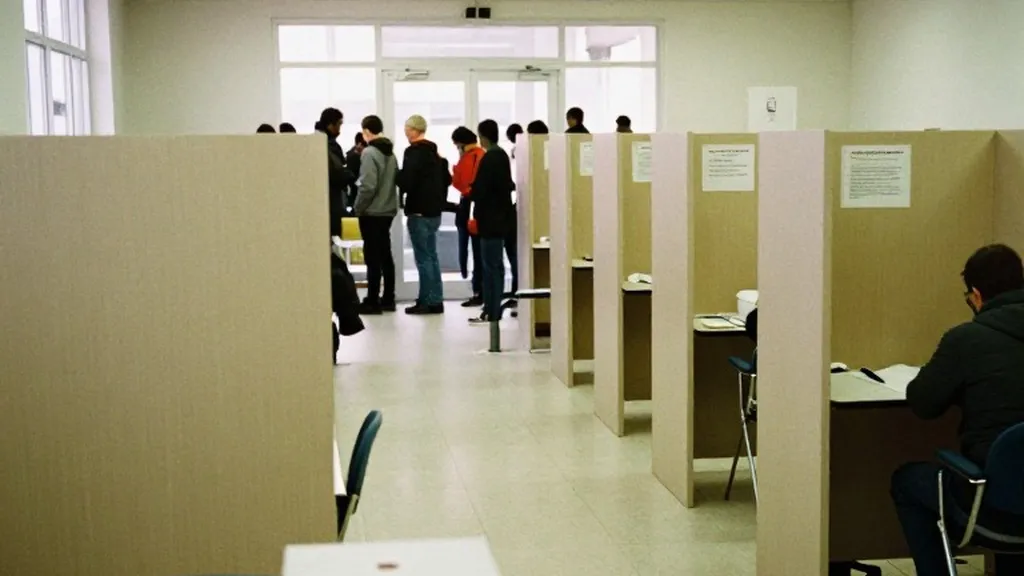
It is Election Day, Tuesday, November 3, 2026, and voters across the United States are heading to the polls to decide who controls Congress for the final two years of President Donald Trump's second term. The Associated Press describes this midterm election as a referendum on the administration's performance, noting that many Americans are struggling with high prices and are angry over an unpopular war with Iran. The conflict has moved to the center of the political debate, with both parties framing their platforms around the economic and strategic consequences of the hostilities.
35 percent of U.S. Adults approve of Trump's job performance, while only 25 percent approve of his handling of the economy. About seven in 10 respondents say the country is heading in the wrong direction, and most blame the president for rising costs. This sentiment has created a difficult backdrop for the war with Iran, which many voters cite as a primary driver of inflation and market instability. The conflict has forced the administration to balance military objectives with domestic economic pressures, a task that has become a central theme in campaign messaging.
Republican leaders are bracing for the possibility of losing the House while fighting to hold the Senate, where they currently hold 53 seats. RNC Chairman Joe Gruters stated that everything depends on turnout, asserting that if the party turns out its voters, it will win. Many Republican candidates have kept their distance from the president in recent weeks, a strategic move aimed at insulating their races from the administration's lower approval ratings. They argue that a unified Republican Congress is necessary to support the military and ensure a strong response to the Iranian threat.
Democrats, described by the AP as cautiously optimistic, are using the war to highlight what they see as the high cost of the conflict. DCCC Chair Rep. Suzan DelBene said the American people are angry and want change. The party is emphasizing that a divided government would allow for greater oversight of the war effort and the economy. They point to the fact that the administration has continued to make claims about voting fraud and has sued in Alaska and California, actions that Democrats argue are designed to distract from the unpopular nature of the Iran conflict.
In battleground states, the war is a specific point of contention. In Maine, a toss-up race according to Cook, Decision Desk, Inside Elections, and Sabato, economic strain and tariffs have made the state competitive. The AP notes that these issues are intertwined with the broader conflict, as voters weigh the cost of goods against the perceived security benefits of the war. Sen. Susan Collins, a Republican incumbent, faces Democratic former state Senate President Troy Jackson in a race that could determine the balance of power in the Senate.
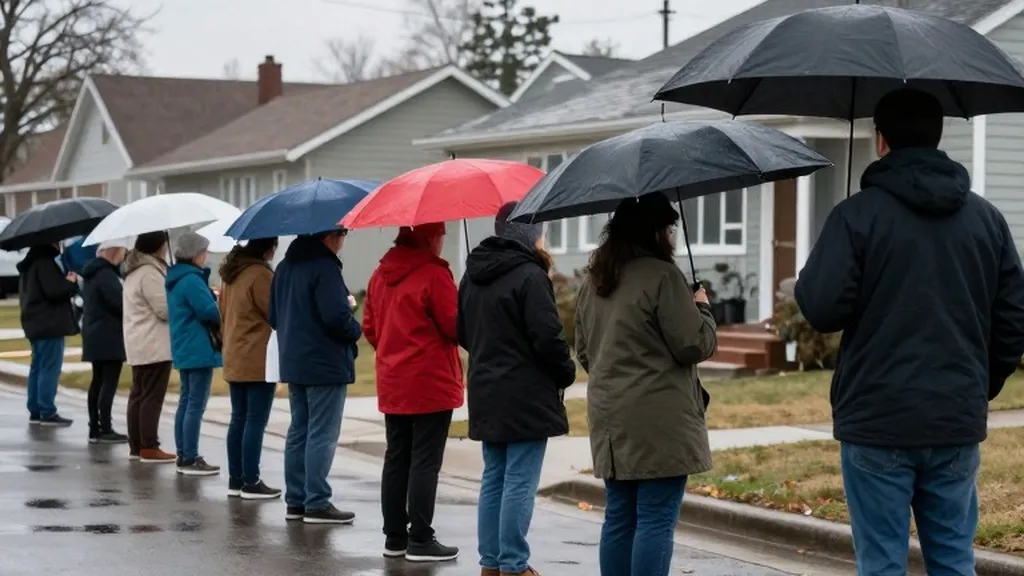
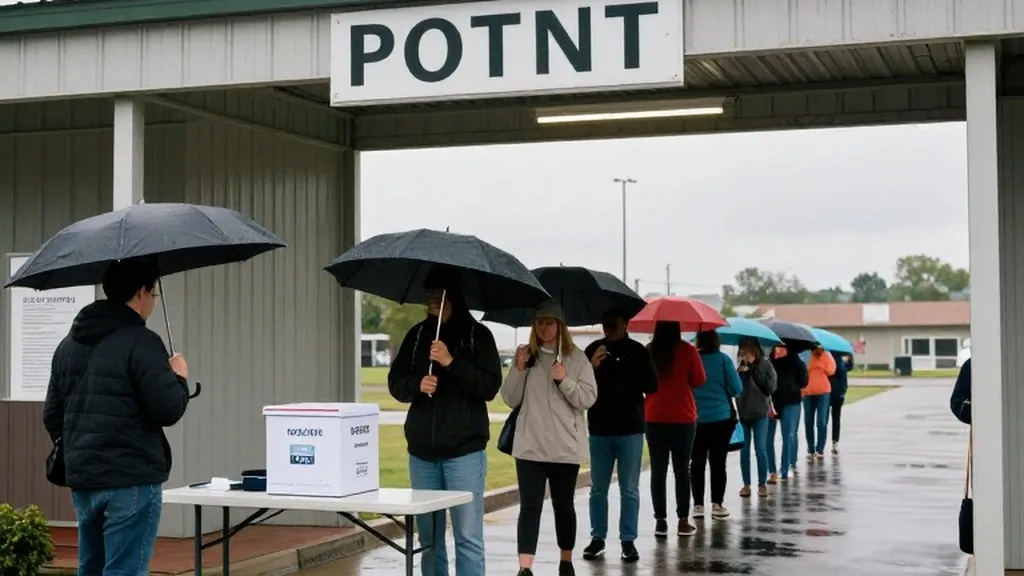
Voters are expressing their views directly at the polls. Mark Barker of Palm Beach Gardens, Florida, said he has been following Trump the whole time and thinks he is doing an awesome job, suggesting that the war is a necessary assertion of strength. In contrast, James Moore, a 57-year-old librarian in Raleigh, North Carolina, said he is paying more for everything, including taxes and healthcare, linking these costs to the ongoing military engagement. These personal accounts reflect the broader national divide over how the war with Iran is being managed and funded.
The election will also determine the fate of 36 governorships, with Democrats hoping to hold a majority for the first time in two decades. In Georgia, Republican health care executive Rick Jackson is running against Democratic former Atlanta Mayor Keisha Lance Bottoms. The race is being watched closely as a bellwether for how voters feel about the administration's handling of the war and the economy. If Democrats win even one chamber of Congress, investigations and possible impeachment proceedings become likely, which could further complicate the administration's ability to conduct the war.
Financial markets are also watching the election closely. Reuters reports that results could add to investor concerns about AI spending and debt ceiling negotiations, with the war with Iran serving as a wildcard in economic forecasting. The 2026 elections are likely to be the most expensive in history, with Republican committees outraising and outspending Democratic committees at the national level. However, at the candidate level, Democrats have outraised their opponents, suggesting a strong grassroots effort to challenge the status quo on the war and its costs.
As polls open in states like California, which is largely voting by mail, and in traditional polling places elsewhere, the focus remains on what the result means for the war. The administration has filed a lawsuit in Alaska related to the certification of the Senate result, adding another layer of legal complexity to the day. The U.S. Postal Service has added hours and staff to ensure mail ballots are counted on time, a critical detail in states where the margin of victory may be thin. The outcome will set the tone for the final two years of the Trump presidency and the future of the conflict with Iran.
The stakes extend beyond the immediate political landscape. A strong Democratic night would boost potential 2028 candidates and could complicate Vice President JD Vance's path to the White House. Republicans tried to beat the midterm pattern with redistricting, but new districts in states like Florida and Texas may not vote as drawn. Ultimately, the voters will decide whether to maintain the current course in the war with Iran or to shift control of Congress to a party that promises a different approach to the conflict and its economic impact.