Courts and ballots: legal battles shape the path to the polls
Federal rulings on noncitizen voting and ballot segregation have altered election administration in key states as millions cast ballots.
By Pedro Barnes ·
A federal judge on Monday temporarily blocked the Trump administration from implementing a plan designed to prevent noncitizen voting, a move that critics argue risks disenfranchising eligible voters. The ruling comes at a critical juncture for election day operations, as the administration has long contended that noncitizens are voting in large numbers. Opponents of the plan suggest it infringes on the authority states hold over their own election processes. This legal intervention adds a layer of complexity to an already contentious midterm cycle where every vote counts.
In California, a judge issued a separate order on Monday requiring the administration to stop demanding that election officials segregate ballots cast by individuals on lists of suspected noncitizens. This specific directive aims to streamline the counting process and reduce the chance of administrative errors during a high-volume mail ballot state. The decision reflects a growing number of legal challenges that have emerged in response to federal efforts to scrutinize voter eligibility. These legal moves have been cited by Democrats as potential sources of interference and intimidation for local election officials.
The administration has filed lawsuits in both Alaska and California, signaling a broader strategy to influence election outcomes through the courts. In Alaska, the Trump administration filed a lawsuit related to the certification of the Senate result, adding to the state's already significant political profile this year. These legal actions have heightened tensions between federal and state election authorities, with both sides presenting strong arguments about the proper balance of power in federal elections.
To ensure that mail ballots are counted on time, the U.S. Postal Service has implemented additional measures, including added hours, extra staff, and special processing lines. These logistical steps are crucial for states that rely heavily on mail-in voting, such as California, Colorado, and Hawaii. The Postal Service's expansion of capacity is a direct response to the expected surge in mail ballot volume, which has already surpassed early voting totals from four years ago in many closely watched states.
More than 57 million people had already voted as of Monday, setting a new pace for the election. This early turnout surge indicates high engagement among voters who are motivated to decide the control of Congress for the final two years of President Donald Trump's second term. The Associated Press describes the election as a referendum on Trump's second term, with many voters expressing frustration over high prices and an unpopular war with Iran. The volume of early votes suggests that the final tally will reflect a deeply engaged electorate.
In the Senate race in Alaska, the legal battle over certification has drawn national attention. The state is considered a competitive battleground, with race ratings varying from toss-up to lean Democratic depending on the polling firm. The involvement of the federal government in the certification process has added a new dimension to the campaign, as candidates from both parties debate the implications of these legal actions on the final count.
California's ballot segregation order has also drawn significant attention from election experts and party officials. The requirement to separate ballots from suspected noncitizens was seen by some as a necessary safeguard, while others viewed it as an unnecessary burden on local election workers. The judge's order to stop this practice aims to restore a more standard workflow, allowing officials to focus on verifying and counting all eligible ballots efficiently.
The Postal Service's added measures have been praised by logistical experts as a proactive step to prevent delays. By increasing staffing and creating special lines, the agency aims to ensure that all mail ballots received by the deadline are processed in a timely manner. This is particularly important in states where the majority of votes are cast by mail, as any delay could impact the final results and the subsequent certification process.
Legal analysts note that the combination of the noncitizen voting bar and the California ballot order represents a significant shift in how federal courts are engaging with election administration. These rulings have the potential to set precedents for future elections, influencing how federal and state authorities interact during high-stakes voting periods. The outcome of these legal battles could shape the procedural landscape for years to come.
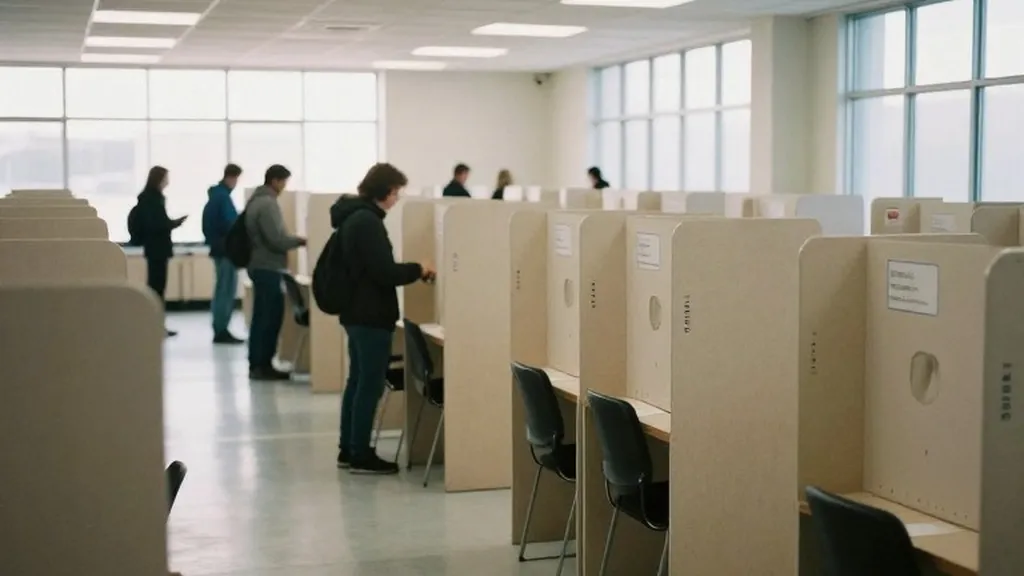
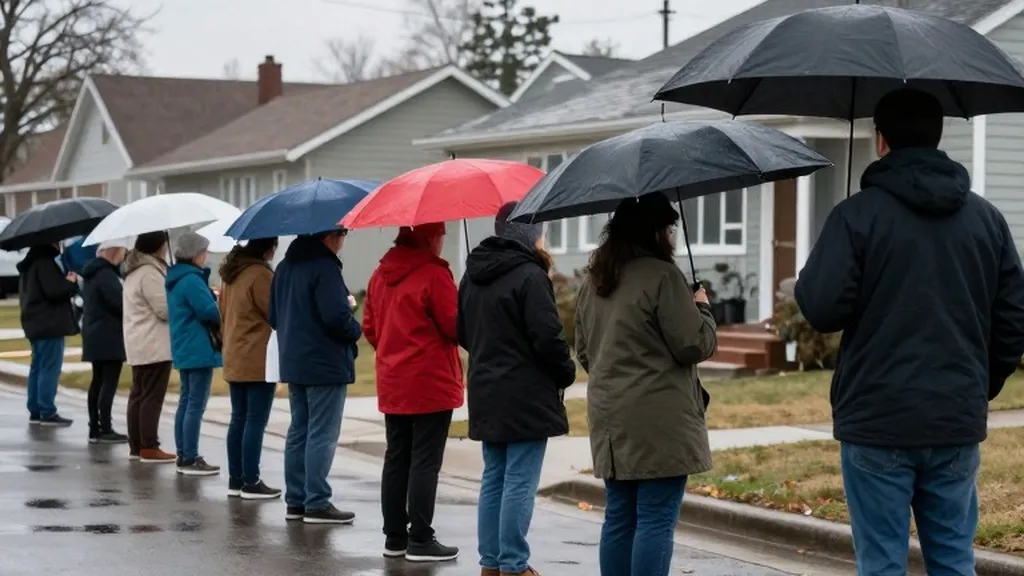
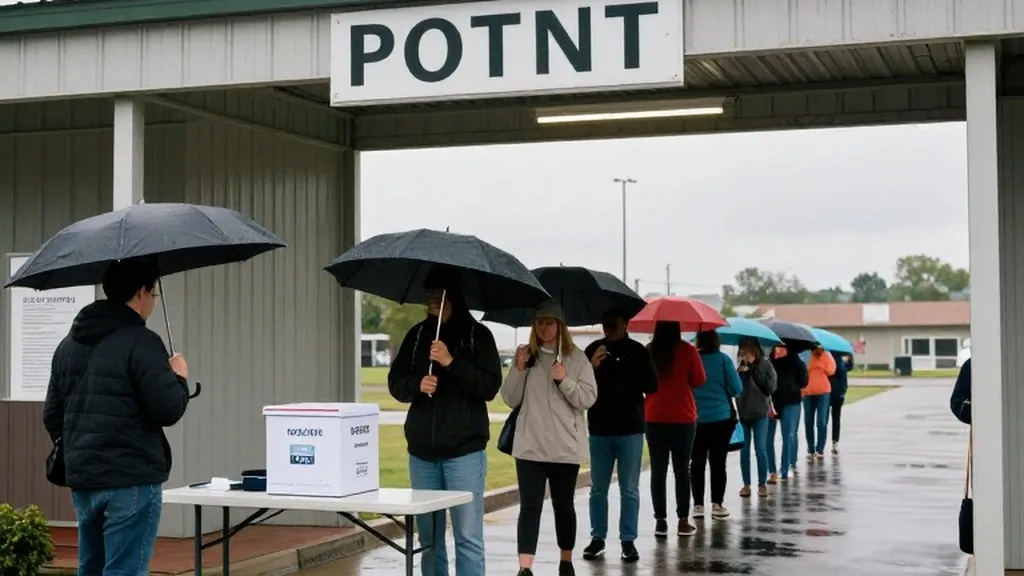
As voters head to the polls or return their mail ballots, the focus remains on the practical implications of these legal decisions. The administration's continued push to scrutinize voter eligibility has been met with resistance from state officials and legal advocates. The interplay between these legal actions and the actual voting process is a central theme of this election day, as the country prepares to determine the future of its legislative branch.
The added Postal Service capacity is expected to handle the high volume of mail ballots without significant delays. This logistical support is a critical component of the election infrastructure, ensuring that the democratic process can proceed smoothly despite the legal challenges. The focus on efficiency and accuracy reflects the high stakes of the 2026 midterm elections, where small differences in vote counts can determine control of both chambers of Congress.