Midterms 2026: Every State's Senate and Governor Races on the Ballot
From the state lines, a breakdown of the 35 Senate seats and 36 governorships up for grabs in the 2026 midterm election.
By Leila Reynolds ·
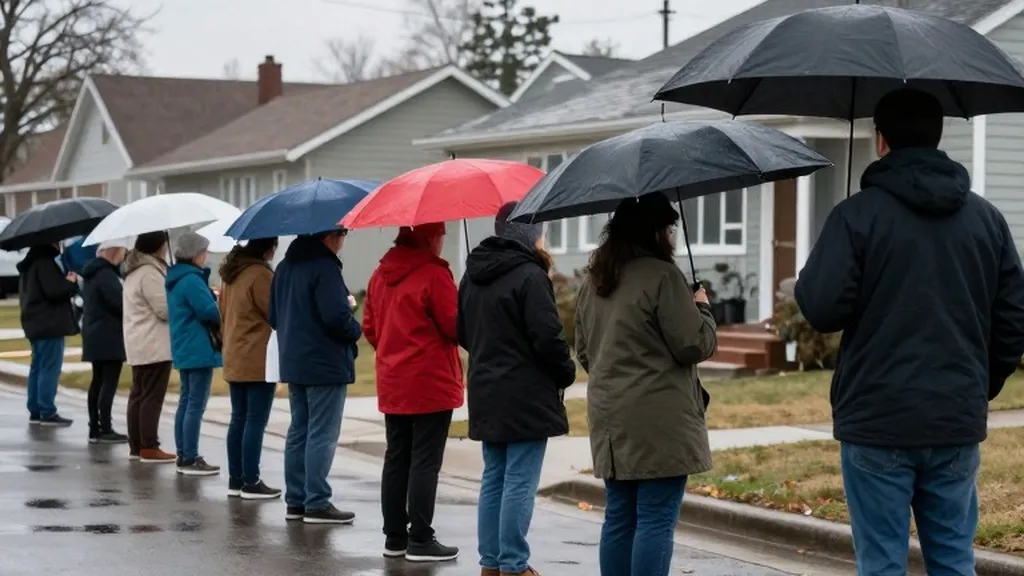
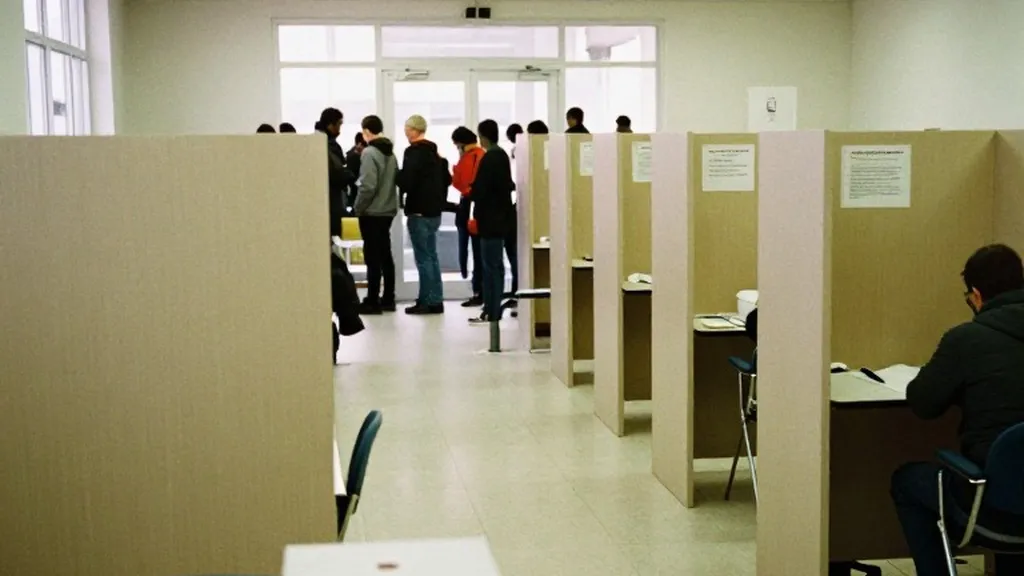
The 2026 midterm election arrives on Tuesday, November 3, marking the halfway point of President Donald Trump's second term. The outcome will determine which party controls Congress for the final two years of his administration. Voters are heading to the polls to decide the fate of 35 U.S. Senate seats and 36 governorships, alongside all 435 seats in the U.S. House. The election is viewed by many as a referendum on the president's performance, with voters struggling with high prices and anger over an unpopular war with Iran.
Currently, Republicans hold 53 Senate seats, Democrats hold 45, and two independents caucus with Democrats. Democrats need a net gain of four seats to secure a majority, while Republicans can afford to lose only two. Thirteen of the 33 regular Senate races are considered battlegrounds. In Georgia, Democratic incumbent Jon Ossoff faces Republican Representative Mike Collins. In North Carolina, former Democratic Governor Roy Cooper challenges former Republican National Committee chair Michael Whatley in the wake of Senator Thom Tillis's retirement. The Associated Press notes that these races are central to the fight for control of the chamber.
Key contests are also unfolding in states that voted for President Trump in 2024. In Michigan, Republican former Representative Mike Rogers competes against Democrat Abdul El-Sayed. In Ohio, Democratic former Senator Sherrod Brown faces incumbent Republican Senator Jon Husted in a special election. In Texas, Republican Attorney General Ken Paxton, who received the president's endorsement over Senator John Cornyn, battles Democrat James Talarico. In Maine, incumbent Republican Senator Susan Collins faces Democratic former state Senate President Troy Jackson, a race that has become competitive due to economic strain and tariffs.
Other notable Senate matchups include New Hampshire, where Democratic Representative Chris Pappas challenges former Republican Senator John E. Sununu for the seat left by retiring Jeanne Shaheen. In Iowa, an open seat created by the retirement of Senator Joni Ernst is seen as a toss-up or tilt Republican. In Kansas, a traditionally reliable Republican state, the race has become central to the national fight, with incumbent Roger Marshall facing challengers in a toss-up to lean Republican environment. Alaska also presents a close contest, with the Trump administration filing a lawsuit related to the certification of the result.
Beyond the Senate, voters are choosing governors in 36 states. Republicans currently hold 26 governorships, while Democrats hold 24. Each party holds 18 of the offices on the ballot this year. Democrats need a net gain of two governorships to achieve a nationwide majority, a status Republicans have held since 2010. In Georgia, Republican health care executive Rick Jackson runs against Democratic former Atlanta Mayor Keisha Lance Bottoms to succeed Brian Kemp. In Nevada, incumbent Republican Governor Joe Lombardo faces Democratic Attorney General Aaron Ford.
In Ohio, Vivek Ramaswamy campaigns against Amy Acton. Ramaswamy's campaign recently faced backlash over an advertisement featuring Acton's estranged mother. The Associated Press identifies Texas, Florida, and Iowa as competitive governor races. In Wisconsin, Democrats defend their governorship in a state Trump won in 2024. In Pennsylvania, incumbent Josh Shapiro seeks re-election in a state that was a key battleground in the previous presidential cycle. In Arizona, Katie Hobbs faces a challenge in a state that has become increasingly competitive.
The Associated Press describes the mood as one of high stakes and division. Polling from AP-NORC indicates that 35% of U.S. Adults approve of Trump's job performance, while about seven in ten say the country is heading in the wrong direction. More than 57 million people had already voted as of Monday, surpassing the early vote of four years ago in many closely watched states. Republican committees outraised and outspent Democratic committees at the party level, helped by Trump-affiliated groups and Elon Musk. However, at the candidate level, Democrats outraised their opponents. 88.1% of Republican general election TV ad spending went to states and districts Trump won in 2024.
RNC Chairman Joe Gruters stated that everything depends on turnout, asserting that if they turn out their voters, they win. DCCC Chair Rep. Suzan DelBene countered that the American people are angry and want change. In Salina, Kansas, President Trump held a rally on Sunday, urging voters to pretend he was on the ballot. His schedule included stops in Mississippi, South Carolina, and Texas. Many Republican candidates kept their distance from the president during the campaign, while Democrats expressed cautious optimism about their chances of gaining control of at least one chamber of Congress.
Administrative issues have also played a role in the election cycle. A federal judge temporarily barred the Trump administration from carrying out a plan it says would prevent noncitizen voting. Another judge ordered the administration to stop demanding that California election officials segregate ballots cast by people on lists of suspected noncitizens. The U.S. Postal Service added hours, staff, and special lines to ensure mail ballots are counted on time. Wall Street is watching the results closely, as Reuters notes that outcomes could add to investor concerns about AI spending and debt ceiling negotiations.
Voters across the country are using new congressional maps in six states: California, Florida, Missouri, North Carolina, Tennessee, and Texas. Ohio also uses a new map. If Democrats win even one chamber, investigations and possible impeachment proceedings become likely. House Democratic Leader Hakeem Jeffries would be the first Black speaker and has outlined a 100-day agenda focused on the cost of living and oversight. A strong Democratic night would also boost potential 2028 candidates Gavin Newsom, JB Pritzker, and Pete Buttigieg, potentially complicating Vice President JD Vance's path. Republicans attempted to beat the typical midterm pattern of the president's party losing seats through redistricting, but new districts in Florida and elsewhere may not vote as drawn.