Ten Senate Races Where National Power Shifts Today
Voters in North Carolina, Georgia, Ohio and seven other states decide control of the U.S. Senate in a midterms defined by economic anxiety and party strategy.
By Pedro Barnes ·
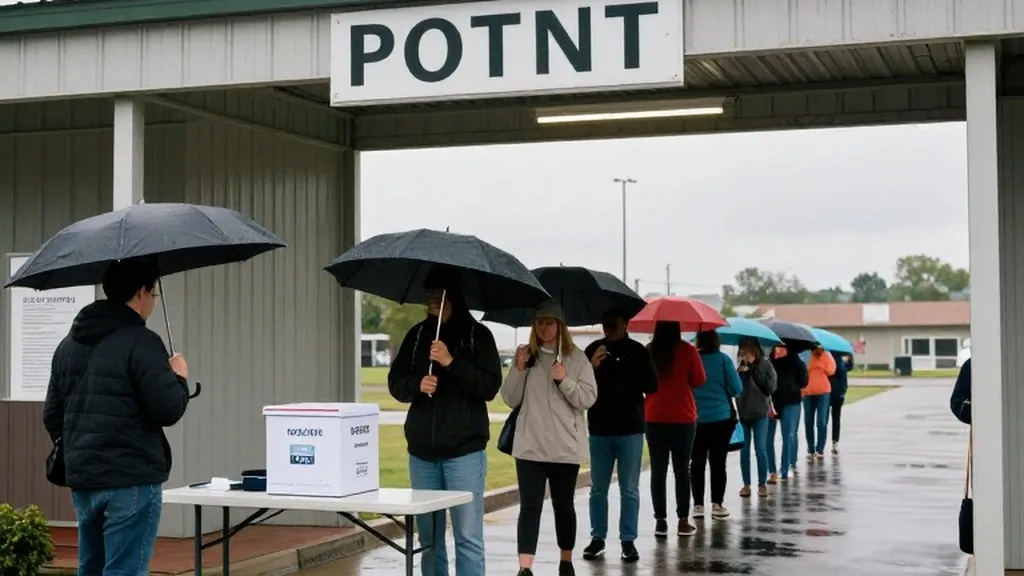
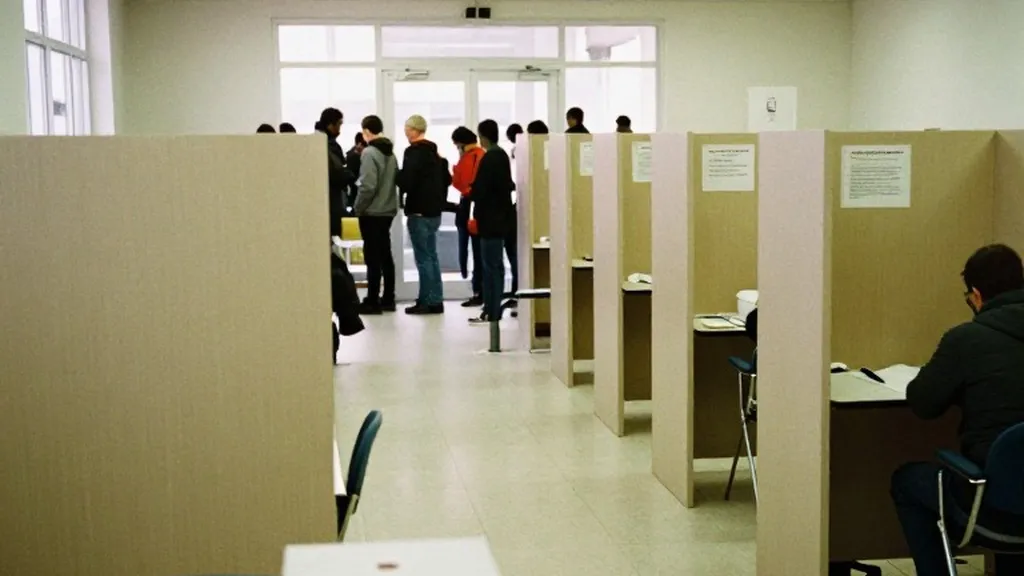
The United States is choosing the composition of the Senate on Tuesday, November 3, 2026, a decision that will determine which party controls the upper chamber for the final two years of President Donald Trump's second term. 35 Senate seats are up for election, with Democrats needing a net gain of four seats to achieve a majority. Republicans, who hold 53 seats, can afford to lose only two to maintain their current advantage. The day is a referendum on the president's performance, with voters weighing high prices and an unpopular war with Iran against the broader political landscape.
In North Carolina, the race is open following the retirement of Thom Tillis after a clash with the president. Democratic former Governor Roy Cooper faces Michael Whatley, the former chair of the Republican National Committee. This matchup is critical as the state voted for Trump by a margin of 3.3 points in 2024. Voter James Moore, a 57-year-old librarian in Raleigh, said that he is paying more for taxes and healthcare, reflecting the economic concerns that dominate the local debate.
Georgia presents a contest between incumbent Democratic Senator Jon Ossoff and Republican Representative Mike Collins. Ballotpedia lists the state as leaning to likely Democratic, with Trump winning the 2024 presidential election by a margin of 2.2 points. The Associated Press highlights that this race is one of the key battlegrounds where the national balance of power could tip. Both candidates are emphasizing their records on economic issues as voters head to the polls.
Ohio is deciding a special election for the remainder of the term previously held by Vice President JD Vance. Democratic former Senator Sherrod Brown is challenging incumbent Republican Senator Jon Husted. The Associated Press notes that Trump won this state by 11.2 points in 2024, making the race a significant test for both parties. The outcome here will influence the broader fight for Senate control, particularly given the state's historical importance in midterms.
In Michigan, the seat is open as Gary Peters retires. Republican former Representative Mike Rogers is competing against Democrat Abdul El-Sayed. The race is rated as toss-up to lean Democratic. On Sunday, El-Sayed's former primary opponent, Haley Stevens, endorsed Rogers, a move that has intensified the campaign. The state voted for Trump by a narrow margin of 1.4 points in 2024, making the electorate particularly sensitive to economic performance.
Texas features a matchup between Republican Attorney General Ken Paxton and Democrat James Talarico. The Associated Press notes that President Trump backed Paxton over Senator John Cornyn in the primary. The state voted for Trump by 13.6 points in 2024, but the Associated Press describes the race as competitive due to shifting demographics and high spending. Republican committees have heavily invested in advertising in states Trump won, with 88.1% of general election TV ad spending going to these areas.
Maine is a toss-up race between incumbent Republican Senator Susan Collins and Democratic former state Senate President Troy Jackson. Economic strain and tariffs have made the state competitive. The race is listed as a toss-up on all four major ratings services. The state voted for Kamala Harris by 6.9 points in 2024, suggesting a potential flip if Democrats can energize their base. This is one of the few races where the incumbent Republican is in a vulnerable position.
New Hampshire is holding an open seat following the retirement of Jeanne Shaheen. Democratic Representative Chris Pappas is facing former Republican Senator John E. Sununu. Ballotpedia indicates the state voted for Harris by 2.8 points in 2024. The Associated Press highlights that this race is part of a broader effort by Democrats to gain seats in traditionally competitive states. The presence of a former senator on the Republican ticket adds a layer of national attention to the local contest.
Minnesota is selecting a successor for retiring Senator Tina Smith. The field includes Democratic Lieutenant Governor Peggy Flanagan and Republican Michele Tafoya, a former sports broadcaster. The Associated Press notes that the state has four candidates in the race, making it a complex contest for both parties. The state voted for Trump by a small margin in 2024, and the outcome here will be crucial for Democrats seeking to meet their four-seat threshold for majority control.
Kansas, a reliably Republican state, has become central to the fight for Senate control. The race involves incumbent Republican Senator Roger Marshall. The race is rated as toss-up to lean Republican. President Trump ended his rally schedule on Sunday in Salina, Kansas, where he told voters, "I really want you to pretend I'm on the ballot." The state voted for Trump by 16.2 points in 2024, but the race is competitive due to national trends and local economic concerns.
Alaska is deciding a Senate seat with incumbent Republican Dan Sullivan on the ballot. The Associated Press notes that the Trump administration filed a lawsuit related to the certification of the Senate result in the state. Ballotpedia rates the race as toss-up to lean Democratic, despite Trump winning the state by 13.1 points in 2024. The legal challenges in Alaska, along with similar actions in California, have raised concerns among Democrats about interference, while Republicans argue the measures are necessary to ensure election integrity. As polls close, the focus shifts to whether these ten races will provide Democrats with the four seats they need or allow Republicans to maintain their majority.