Midterm stakes: What chamber control means for 2027 investigations and 2028
Voters decide the balance of power in Congress, with implications for House oversight, Senate confirmation battles, and the emerging 2028 presidential field.
By Leila Reynolds ·
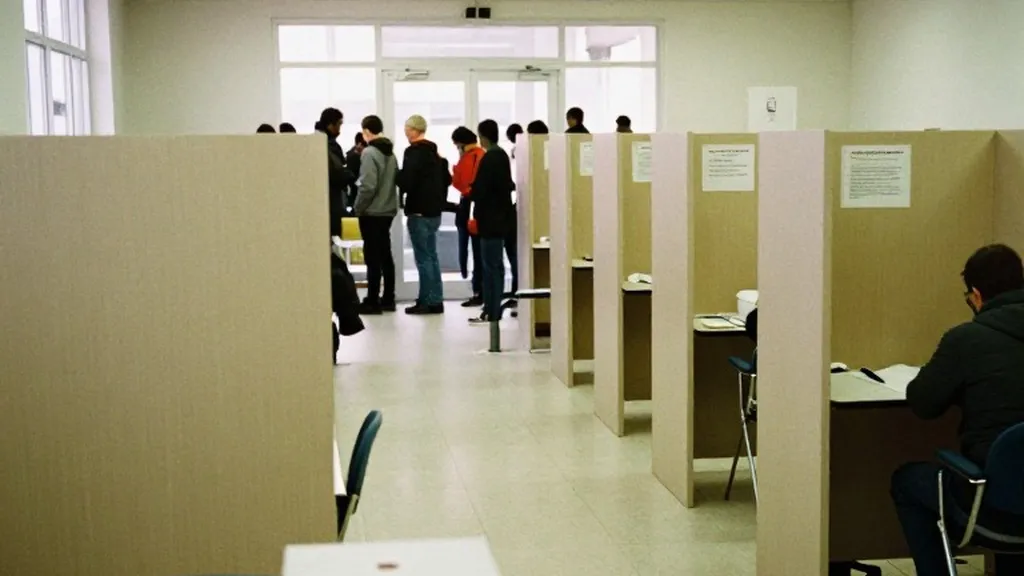
Election Day has arrived to determine the composition of the U.S. Congress for President Donald Trump's final two years. With polls open across the nation, voters are deciding which party will hold the gavel in the House and the majority in the Senate. The Associated Press reports that more than 57 million people had already cast ballots by Monday, surpassing early vote totals from four years ago in many closely watched states. This midterm election is being described as a referendum on the second Trump term, with voters navigating high prices and public anger over the war with Iran.
The outcome of the House race carries immediate procedural weight. Democrats need a net gain of three districts to secure a majority, while Republicans can afford to lose no more than two. If Democrats take control, House Democratic Leader Hakeem Jeffries would become the first Black speaker. He has outlined a 100-day agenda focused on the cost of living and oversight, signaling that investigations and possible impeachment proceedings are likely to resume. Republican leadership, meanwhile, is bracing for a potential loss but remains competitive in 46 battleground districts identified by Ballotpedia.
Control of the Senate will dictate the pace of judicial and executive nominations for the remainder of the term. Democrats require a net gain of four seats to achieve a majority, a hurdle that requires winning key races in states like Maine, Iowa, and Kansas. Republicans hold a 53 to 47 majority, including two independents who caucus with Democrats. A Republican hold would allow them to continue confirming nominees with a simple majority, while a Democratic flip would restore the ability to block appointments or invoke procedural hurdles. The Associated Press notes that one or two seats could tip the balance in either chamber.
The Senate race in Maine is particularly scrutinized as a potential tipping point. Senator Susan Collins, a Republican, faces Democratic former state Senate President Troy Jackson. The Associated Press reports that economic strain and tariffs have made the state competitive, with all four major ratings groups currently labeling the race a toss-up. In Iowa, an open seat following the retirement of Senator Joni Ernst is rated a toss-up or tilt Republican, depending on the source. These outcomes will directly influence the Senate's capacity to investigate executive actions or confirm cabinet members before the 2028 cycle begins.
Governorships also play a role in the broader political landscape, with 36 offices on the ballot. Republicans hold 26 governorships, while Democrats hold 24. Democrats need a net gain of two governorships to claim a nationwide majority for the first time since 2010. Ballotpedia identifies nine battleground states, including Alaska, Arizona, Georgia, and Ohio. A Democratic victory in these states could provide a platform for 2028 candidates such as Gavin Newsom, JB Pritzker, and Pete Buttigieg, while a Republican sweep would solidify the party's control of state governments.
The financial dynamics of the election are also shaping the political narrative. The Associated Press analysis of AdImpact data indicates that 88.1% of Republican general election TV ad spending went to states and districts Trump won in 2024. This targeted spending strategy contrasts with the Democratic approach, which focused on candidate-level fundraising. The 2026 elections are expected to be the most expensive in history, with Republican committees outraising and outspending their Democratic counterparts at the committee level. This financial disparity may influence the intensity of post-election investigations and the resources available for oversight in the final two years.
Voter sentiment reflects a mix of approval and concern. The AP-NORC polling shows that 35% of U.S. adults approve of Trump's job performance, while 25% approve of his handling of the economy. About seven in ten say the country is heading in the wrong direction. These numbers suggest that while the President maintains a base of support, the opposition is motivated by economic dissatisfaction. This division in public opinion may lead to a gridlocked Congress, where investigations are frequent but legislative progress is limited by partisan divides.
The 2028 presidential race is already being shaped by today's results. A strong Democratic night would boost the profiles of potential candidates like Newsom, Pritzker, and Buttigieg, potentially complicating the path of Vice President JD Vance. Conversely, a Republican hold would validate the party's strategy and strengthen the position of Trump-aligned candidates. The Associated Press notes that many Republican candidates kept their distance from Trump during his recent rally circuit, which ended in Salina, Kansas. This dynamic suggests that the post-midterm political landscape will be one of negotiation and positioning rather than unified party control.
Election administration has been a point of contention, with the Trump administration facing legal challenges over noncitizen voting plans. A federal judge temporarily barred the administration from carrying out a plan to prevent noncitizen voting, while another judge ordered them to stop demanding that California officials segregate certain ballots. These legal maneuvers highlight the procedural battles that may continue into the certification process. The U.S. Postal Service has added resources to ensure mail ballots are counted on time, a critical step given the high volume of early voting.
As polls close, the focus shifts to the mechanics of the count and the immediate political fallout. The results will determine whether the final two years of the Trump administration are marked by cooperative governance or adversarial oversight. The Associated Press notes that Wall Street is watching the results for signals on debt ceiling negotiations and AI spending. The outcome of this election will set the stage for the 2028 campaign, with the chamber control in Congress serving as the primary tool for either advancing or checking the President's agenda in the coming year.