Knesset Results Force Israel to Choose Between Rival Coalitions
With no clear majority, Netanyahu and Eisenkot must negotiate with Arab parties or risk another round of elections.
By Pedro Barnes ·
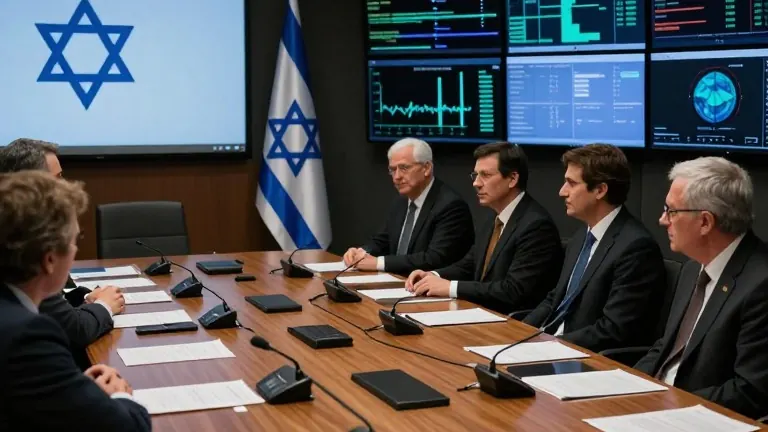
The outcome of Israel’s recent parliamentary election leaves the country without an immediate prime ministerial successor. The results define the composition of the 120-seat Knesset but leave the formation of a new government unresolved. Both major contenders, Prime Minister Benjamin Netanyahu and former military chief Gadi Eisenkot, lack the 61 seats necessary to govern alone.
Arab-led parties won 19 seats, a historic increase that places them in a decisive position. These parties, representing 20% of the population, could support either side or force new elections. Their involvement carries political risk for Jewish candidates, as many Israeli voters view these parties with suspicion due to their ties to Palestinians in the West Bank and Gaza. Arab parties have joined a governing coalition only once, in 2021, and that government lasted approximately 18 months.
The most direct path to power for Eisenkot involves an alliance with these Arab-led parties. This combination would yield a 67-seat majority against Netanyahu. Eisenkot could also seek their support for a minority government if they decline to join his cabinet. Netanyahu is already framing this potential alliance as a threat to Israel’s Jewish identity and national security. He is pressuring right-leaning members of Eisenkot’s camp to reject the partnership, arguing it betrays the core interests of the state.
An alternative scenario involves a unity government led by Netanyahu. This arrangement would pair him with Eisenkot and right-leaning allies to secure a 67-seat majority. Such a government would send Arab-led parties, ultranationalist factions, and ultra-Orthodox groups to the opposition. It could address issues like military exemptions for the ultra-Orthodox and economic stability. However, this option requires Eisenkot to break promises made to voters who blamed Netanyahu for the security failures of the October 7, 2023, Hamas attack.
Netanyahu might also attempt to poach defectors from the opposition bloc. He could target right-wing leaders Naftali Bennett and Avigdor Lieberman, who support nationalist policies and oppose partnering with Arab parties. Both leaders have clashed personally with Netanyahu and opposed the military exemptions demanded by his ultra-Orthodox allies. Eisenkot has fewer such options, as Netanyahu’s Likud party and far-right allies have remained loyal to him through recent crises.
If negotiations fail, Israel will likely hold new elections early next year. Netanyahu’s current government would serve in a caretaker capacity until then. A repeat election could disadvantage Eisenkot’s camp, which gained momentum from tens of thousands of Israelis who traveled abroad to vote. Netanyahu would use the delay to consolidate his coalition. Smaller right-wing parties that failed to enter parliament may not run again, potentially shifting their support to larger far-right parties. Israel held five elections over three and a half years following a similar stalemate in 2019.