UN Withdraws From Western Sahara
A U.S.-Russia deadlock at the Security Council forced the abrupt end of a 35-year peacekeeping mission in the disputed desert territory.
By Ivan Dvorak ·
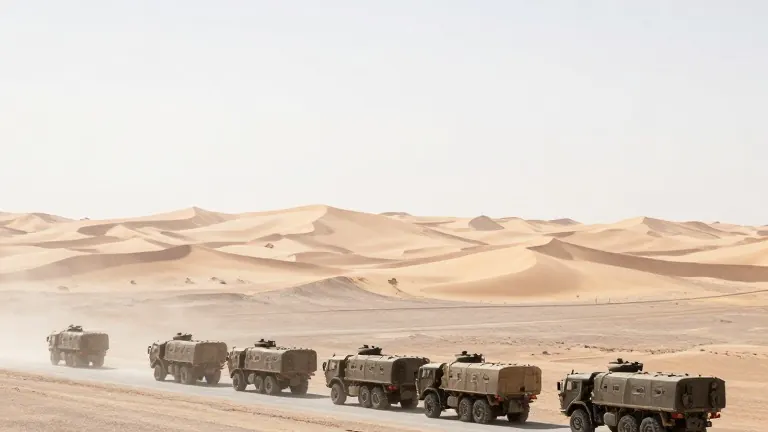
The United Nations has ceased operations in Western Sahara, ending a peacekeeping mission that has spanned 35 years. The withdrawal took effect on November 1, 2026, following a diplomatic impasse at the UN Security Council.
Stéphane Dujarric, the spokesperson for the UN Secretary-General, announced the start of the liquidation period in a statement. A smaller team within the UN Department of Operational Support will now manage the process. Their task includes transporting assets back to troop-contributing nations and disposing of UN equipment.
The mission, known as MINURSO, was established in 1991 to monitor a ceasefire and organize a referendum on self-determination. That vote never occurred due to disagreements over voter eligibility. Morocco argued that residents of the territory it controls should be eligible, while the Polisario Front insisted on using the colonial-era Spanish census.
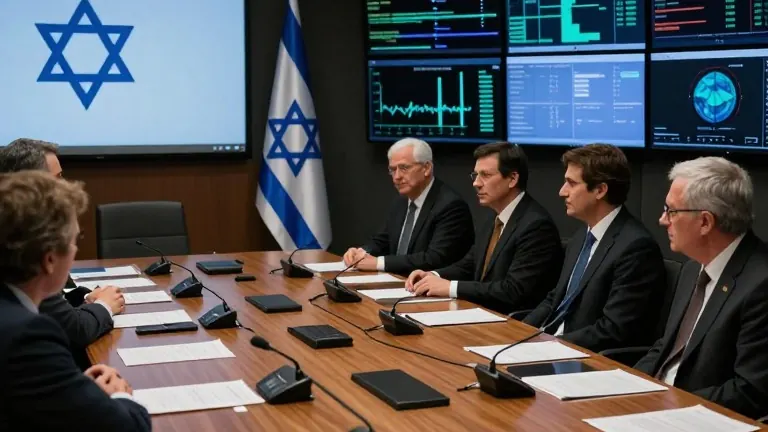
The end of the mandate resulted from conflicting votes at the Security Council on Friday. Russia vetoed a US-backed draft resolution. That draft would have supported Morocco's claim to sovereignty and scheduled the mission's end for next year. Subsequently, a rival Russian resolution to extend the mission was rejected. This split left the force without a mandate.
Western Sahara is a vast desert region along Africa's northwestern coast, roughly the size of Colorado. It is rich in minerals and fisheries. The territory was ruled by Spain until 1975, when Morocco annexed it. The move triggered an armed conflict that lasted more than 15 years and killed more than 16,000 people, according to the French Senate.
Morocco currently administers nearly all of the land, except for a narrow strip east of a sand wall known as the free zone. Rabat refers to the area as its southern provinces. The kingdom has secured support from Western capitals including Washington, Paris, and London. The royal palace welcomed the non-renewal of the UN mission, describing it as an instrument to internationalize the dispute.
The Polisario Front, backed by Algeria, rejected the outcome. They labeled the decision unacceptable. The Algerian foreign ministry expressed profound regret and criticized the US draft for excessive bias. The Polisario seeks independence for the Indigenous Sahrawi people and operates from refugee camps in Tindouf, Algeria.
The mission had a budget of more than $62 million for the 2026-2027 period. It was authorized for 534 personnel, with Egypt, Ghana, and Pakistan as the top military contributors. Twenty UN personnel lost their lives during the mission's long history.
The UN Secretary-General called on all parties to respect the rights of the people of Western Sahara. He expressed concern about the security situation and the risk of hostilities escalating. He urged all concerned parties to exercise maximum restraint.
The Polisario Front withdrew from the 1991 ceasefire in 2020 after clashes. The UN reported last month that the territory has remained tense with low-intensity hostilities. The dispute remains a major flashpoint in the rivalry between Morocco and Algeria. The two countries severed diplomatic relations in 2021, and the mission's end risks further straining their ties.