Diesel Shipments and Ceasefires Signal a Strategic Shift in the US Russia Ukraine Triangle
The arrival of Russian fuel tankers in North America coincides with a localized truce in Ukraine and the scheduling of high level diplomatic meetings, marking a notable acceleration in the push for a negotiated end to the conflict.
By Pedro Barnes ·
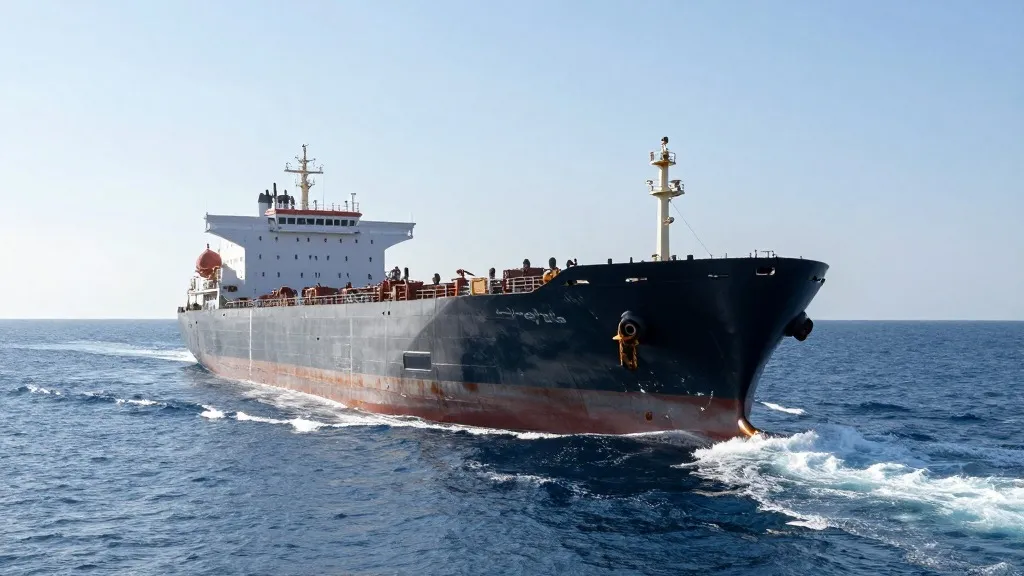
The most significant recent development in the diplomatic landscape involves three tankers carrying Russian diesel that are now en route to the North American east coast. This movement marks the initial physical execution of a trade arrangement designed to lower global fuel prices while temporarily suspending US sanctions on Russian energy exports. The vessels are expected to arrive in the United States by early November, with one specific ship, the Agioi Fanendes, already loaded with ultra low sulphur diesel. This logistical step underscores a practical economic link between Washington and Moscow that has been largely dormant in recent years.
The broader context of this energy deal was established earlier this month by US President Donald Trump. The agreement stipulates that Russian companies will supply 500,000 metric tonnes of fuel to international markets. In exchange for this commitment to stabilize prices, the US has agreed to lift sanctions on Russian fuel for a defined period. Russian Deputy Prime Minister Alexander Novak confirmed the shipments are proceeding with significant support from the Russian Direct Investment Fund, highlighting the state backed nature of this commercial initiative.
To understand the current trajectory, it is necessary to look at the sequence of events leading to this point. The diplomatic push toward a resolution has intensified following a period of strain between Washington and Kyiv. Recent weeks saw a rift emerge, driven in part by US moves perceived as favoring Russian interests. These included new limits on the Starlink communication system, which Ukraine relies on for its air defense network against incoming attacks. President Trump addressed this specific friction point on Friday, stating that if access issues persist, he would intervene directly and potentially raise the matter with SpaceX CEO Elon Musk.
Simultaneously, the White House announced that Russia and Ukraine have agreed to a ceasefire in the city of Oleshky, located in southern Ukraine. This city has been under Russian occupation since February 2022, and the humanitarian situation there has become critical. Officials described severe shortages of food, water, and electricity, with an estimated 2,000 residents remaining in the area. Some inhabitants have been reported surviving on weeds, boiled grass, and limited rations. The truce, set to take effect on 27 October, aims to allow for the delivery of aid and the evacuation of civilians.
This local truce serves as a precursor to larger diplomatic efforts. Ukrainian President Volodymyr Zelenskyy announced on Friday that technical level meetings between negotiators from Ukraine, Russia, and the US are scheduled for the first half of November in Abu Dhabi. A US official added that further meetings could occur in a couple of weeks, potentially in either Abu Dhabi or Switzerland. Zelenskyy expressed hope that these technical discussions would eventually lead to a summit between the respective heads of state, signaling a desire to move from behind the scenes to high level engagement.
The diplomatic momentum is not confined to the US, Russia, and Ukraine. In Europe, EU leaders recently pressed the UK’s new Prime Minister, Andy Burnham, to increase his country’s contribution to Ukraine’s defense. The UK government is scheduled to present its first budget under Burnham’s leadership next week, a moment that EU officials view as an opportunity to solidify financial commitments. Additionally, there is growing pressure for Canada and Japan to assume a larger role in supporting the Ukrainian war effort, reflecting a broader international reassessment of responsibilities.
Infrastructure improvements also played a role in the recent developments. The International Atomic Energy Agency reported that repairs to key power infrastructure near the Zaporizhzhia nuclear power plant have been completed. This work was conducted under a temporary ceasefire brokered by the agency. The repairs strengthened the plant’s connection to its only remaining external power line, known as Ferosplavna 1. This success lowers the risk of another loss of off site electricity at Europe’s largest nuclear power station, reducing a significant safety concern in the region.
Looking ahead, the convergence of economic and military developments suggests a period of heightened activity. The arrival of the diesel tankers will test the practical viability of the US Russia energy arrangement. Meanwhile, the ceasefire in Oleshky will be a critical indicator of whether both sides can maintain a pause in hostilities long enough to facilitate humanitarian aid. The upcoming technical meetings in Abu Dhabi or Switzerland will determine if the momentum can be sustained at a strategic level.
The next few weeks are likely to be pivotal. If the fuel shipments arrive smoothly and the Oleshky ceasefire holds, it could provide the political capital necessary for leaders to convene. However, any disruption in these areas could reignite tensions. The involvement of multiple international players, from the EU to Canada and Japan, adds layers of complexity but also potential leverage. The situation remains fluid, but the direction of travel appears to be toward a more structured and multilateral approach to ending the war.
For now, the focus remains on execution. The physical movement of fuel, the halting of military operations in a specific city, and the scheduling of technical talks are tangible steps that differ from previous rounds of abstract diplomacy. Whether these actions translate into a durable peace framework will depend on the consistency of commitments from all parties involved. The coming month will offer the first clear test of this new phase in the conflict.