China Boosts Overseas Mining Control
Beijing spends $8.8 billion on foreign mines to secure critical metals for electric vehicles and chips.
By Ivan Dvorak ·
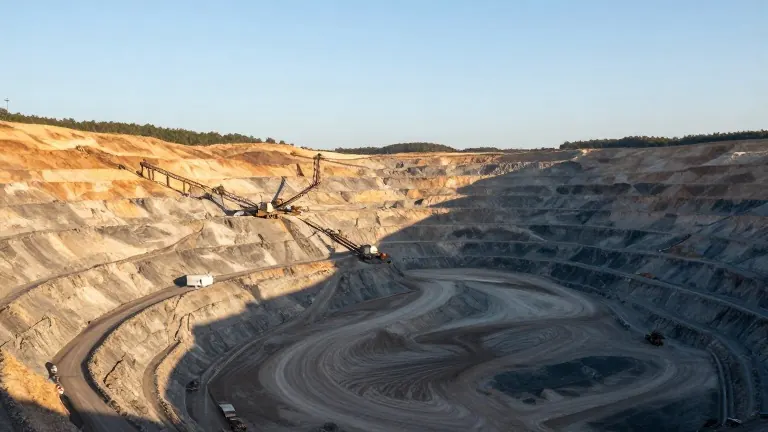
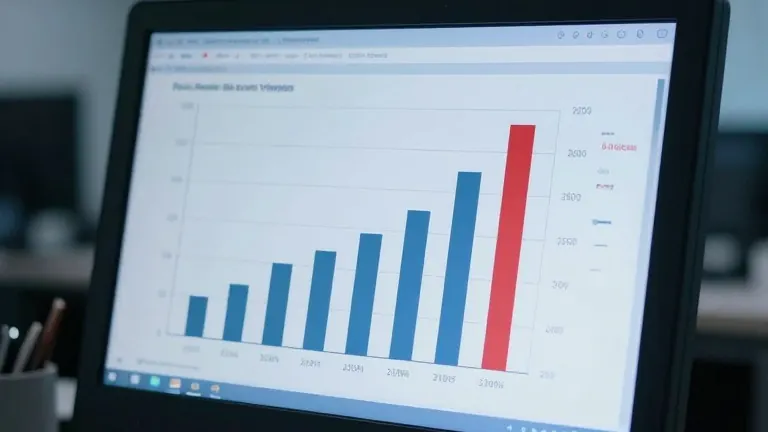
Chinese companies purchased $8.8 billion worth of foreign mineral assets in the first three quarters of 2026. The Rhodium Group released this figure in a report dated November 2026. This total marks the highest annual value recorded since at least 2018. The purchases focus on metals essential for electric vehicles, semiconductors, and jet engines.
The government is coordinating these moves to secure supply chains. Dan Wang, China director at Eurasia, describes the approach as a state-coordinated global mining model. This strategy aims to align larger investments with national goals. The Chinese government created a dedicated overseas bureau in April to oversee central state-owned enterprise investments. By July, officials established a specialized vehicle to advise firms on compliance and risk management.
Analysts say this centralization reduces disorderly competition among Chinese firms. It also strengthens their position against rivals in the West, India, and Saudi Arabia. However, longer approval processes may increase corruption risks. These delays can also lower investment returns. Chinese firms have targeted regions like Tajikistan and the Democratic Republic of Congo for two decades. Western miners have historically avoided these areas.
Armand Meyer, a senior research analyst at Rhodium, notes that acquisitions target domestic shortages. These include lithium, nickel, and cobalt during the mid-2010s electric vehicle boom. Gold has become a focus in more recent years. Eurasia predicts outbound investment in upstream critical minerals will roughly double from the 2021-2025 period.
Beijing views a 70% import dependence as a critical threshold. Metals like copper, lithium, cobalt, nickel, bauxite, and iron ore fall under strict national security constraints. The government seeks additional access to high-grade gold resources. This often prioritizes geopolitical strength over immediate profitability, even when reliance stays within a safer 50% range.
Host nations are resisting by demanding more local processing of raw materials. China dominates the refining stage of the supply chain. The International Energy Agency reports that China produces approximately 92% of the world's refined rare earths. This dominance allows Beijing to influence prices by adjusting supply levels.
Brad Handler, director of the Energy Finance Lab at the Payne Institute, says China can oversupply the market. This pushes prices below economic levels if a rival builds new refining capacity. China has required export licenses for seven medium and heavy rare earths since last year. Japan has been particularly affected by these changes.
Customs data shows Chinese exports of yttrium oxide to Japan dropped sharply in September. The volume fell to 4,000 kilograms, down from 51,000 kilograms a year earlier. Outside of China, the price of the oxide surged to about $1,150 per kilogram. This level is roughly 179 times higher than two years prior. The domestic price in China was about $9 per kilogram.
Japan spent 16 years building stockpiles after previous restrictions. Yet little separation capacity for yttrium and lutetium exists outside of China. In response, Chinese firms are adapting their investment strategies. They are increasingly engaging in greenfield investment and establishing processing facilities near mining sites. Meyer highlights that this approach is evident in Indonesia, where firms built smelting capacity to comply with nickel ore export bans.
More Business · National news · Business Complaints · Report a business · Got a Story?