Voters Prioritize Cost of Living Over War Concerns in Midterms
A nationwide affordability crisis drives turnout, while the ongoing conflict with Iran creates friction within the Republican caucus.
By Ivan Dvorak ·

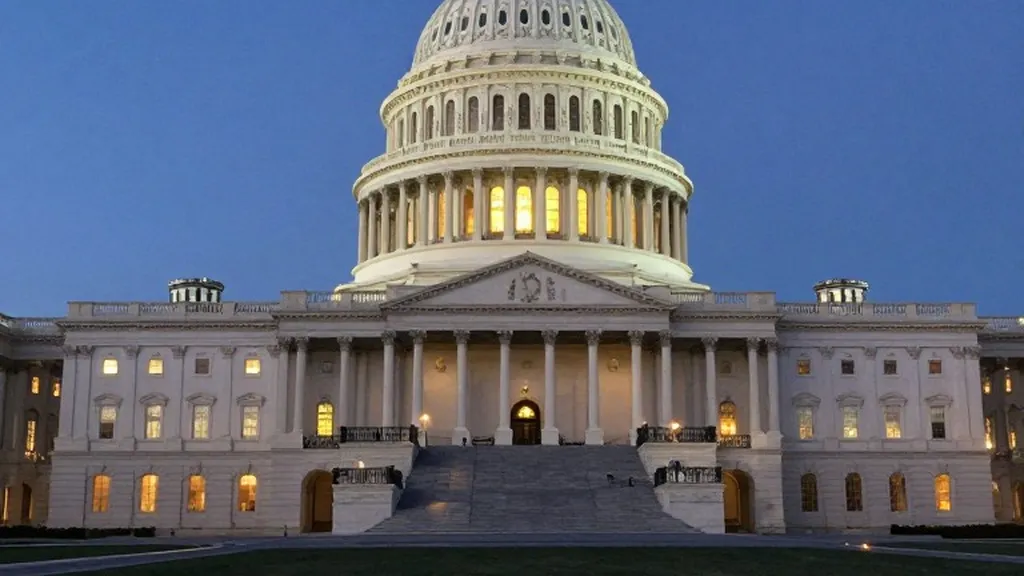
Millions of Americans cast ballots on Tuesday in midterm elections that feature competitive contests in states historically considered solid Republican territory. While the political stakes are high, the driving force behind voter behavior is economic distress rather than partisan ideology.
Reports from CBS News, The New York Times, and NBC News indicate that the cost of living is the dominant concern across party lines. Dwayne Stanford, a father of eight in suburban Cincinnati who voted for Democratic candidates, told the Times, "The prices of everything we normally buy have gone up and up dramatically. It’s just the everyday stuff." In Sterling Heights, Michigan, Peris Morgan told NBC News that rent, groceries, and gas prices had risen to levels that did not match current wages.
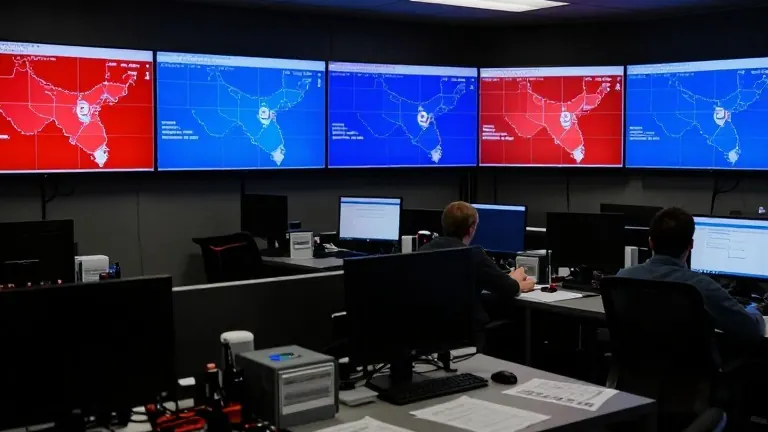
The election serves as a direct referendum on the administration of President Donald Trump, who campaigned on a promise to lower prices. Many of the economic pressures voters face existed before his tenure, but his policies have intensified them. The war in Iran, a conflict that began one year into his term, has further elevated gas prices, grocery costs, and inflation.
Pollster Frank Luntz interviewed former Trump supporters who switched their votes to the Republican opposition. These voters cited the economy and a sense that the president overpromised and underdelivered. An Associated Press poll found that a majority of voters in both parties want Congress to focus on ending the Iran war. This desire ranks second only to economic concerns.
Republican enthusiasm for the midterms has dropped sharply. The Washington Post notes a lack of excitement among traditional conservatives, a group that previously mobilized primarily when Trump was on the ballot. The president had promised no new wars during his campaign, yet he initiated a conflict with Iran that lacks a clear exit strategy.
Members of the Republican House are privately struggling with how these actions have impacted their midterm goals. One anonymous House Republican told Politico, "There was a point earlier this year where we really felt like we could defy history. And then Trump bombed Iran. And it was just one thing after another." Another anonymous House member added, "At least when Barack Obama was president, he only screwed his enemies, never his friends."
The friction within the party highlights a growing disconnect between the executive and legislative branches. As voters weigh the cost of daily necessities against the duration of the Middle East conflict, the election results will determine the balance of power in Congress for the next two years.