Vance tests 2028 message in midterm rallies
The vice president is blending populist economic stories with cultural appeals while navigating the popularity gap of the current administration.
By Pedro Barnes ·
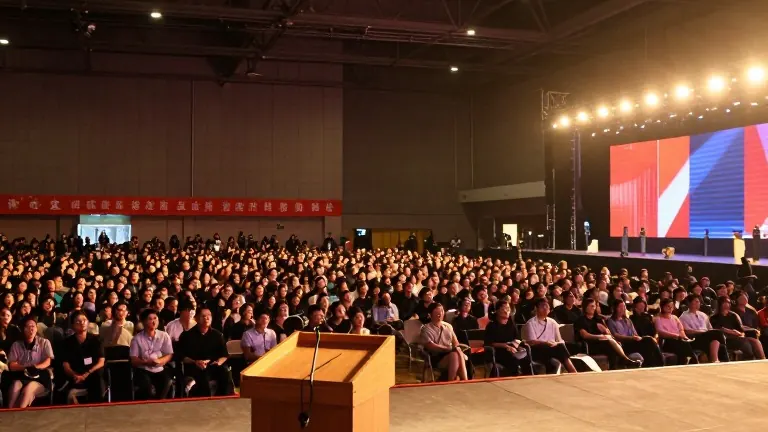
Vice President JD Vance is using his midterm campaign stops to refine a presidential pitch for 2028. He is currently traveling the country alongside President Trump, aiming to solidify his base ahead of the next election cycle.
In Weatherford, Texas, Vance targeted Democratic Senate candidate James Talarico. Vance noted that Talarico claimed he must grapple with his masculinity and whiteness. The vice president told the crowd that there is not a whole lot to grapple with, drawing cheers.
Vance’s style differs from the president’s. He appears less like a comedian and more like a practiced politician. However, his speeches contain familiar Republican themes, including insults toward opponents and promises of national greatness. This approach offers a preview of how he might campaign for the presidency next year.
He frequently references a nostalgic version of America from his youth. In North Carolina, he spoke of the unity and pride felt after the September 11, 2001 attacks. He also recalled his childhood football teams, which were sponsored by local businesses. In Howell, Michigan, Vance said many of those businesses no longer exist. He blamed politicians in distant places who did not care about Ohio or Michigan.
Vance also emphasizes cultural unity. He described a time when working-class Black and white children played football together without worrying about skin color or privilege. This narrative contrasts with the current political divide. He frames his politics as a way to restore that traditional harmony.
The vice president is experimenting with a rougher tone. He occasionally uses profanity, telling a crowd in Texas he was sweating heavily at the podium. This mix of eloquence and bluntness aims to appeal to different segments of the Republican base.
Vance faces a difficult task promoting candidates while the sitting president is unpopular. He avoids discussing the Iran War, which drove up gas and diesel prices. Instead, he compares current prices to spikes in 1979, 2001, 2007, and 2022. He argues that gas prices rise whenever a foreign leader acts unpredictably.
He also serves as the head of the administration's anti-fraud task force. This role allows him to discuss his personal history. In Cincinnati, he mentioned working as a cashier at a grocery store called Dhillon Foods. He noted that family members also benefited from federal food programs. His background in rural southern Ohio provides a biographical tool that distinguishes him from the president.