Spain's daily set lunch averages 14.70 euros as weekly servings hit 4 million
A new book by Lakshmi Aguirre examines the origins and current pressures facing Spain's traditional midday meal.
By Pedro Barnes ·
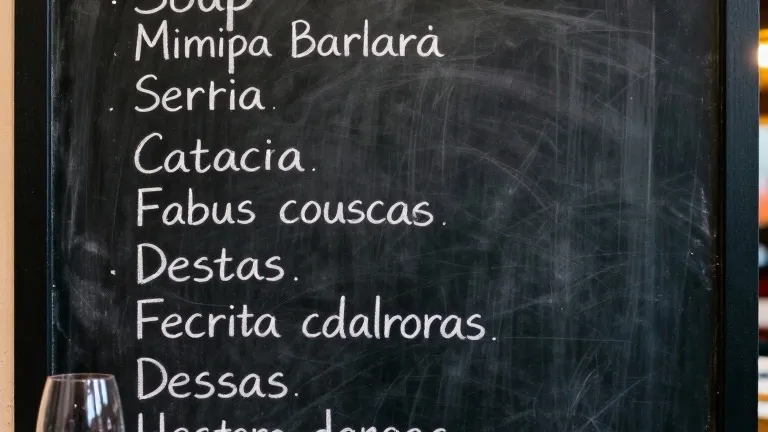
The average cost of a menú del día in Spain reached 14.70 euros as of October 2026.
Restaurants across the country served approximately 4 million of these set-price lunches on weekdays last week. This figure marks a decline from previous years, though the tradition remains a staple of Spanish dining culture.
Lakshmi Aguirre, a Spanish food journalist, released a new book titled Menú del Día: Everyday Scenes of a First Course, a Second Course and Pudding. The work traces the history of the meal from its inception in the mid-1960s to its current status. Aguirre argues the custom is facing challenges but has not yet disappeared.
The meal originated as a tourist offering created by Manuel Fraga, who served as information and tourism minister under dictator Francisco Franco. The regime introduced the menu after the post-civil war "years of hunger" to demonstrate that food was plentiful and affordable to foreign visitors. The initial rules required a soup starter, a main course of egg, fish, or meat chosen from at least three options, and a pudding of fruit, sweets, or cheese.
Prices were legally fixed between 50 and 250 pesetas. The law also mandated that the included quarter-litre of wine be a pure Spanish red or white with a minimum alcohol content of 12%. In the early 1970s, the offering was renamed to distance it from its tourist roots and encourage domestic consumption.
Many Spaniards are unaware of this origin. Aguirre noted that people often reacted with surprise when she mentioned Fraga during her research. "It says a lot about us Spaniards; we forget very quickly," she said. She described the menu as a reflection of societal changes and noted that nostalgia for the meal is increasing.
The average price of 14.70 euros reflects rising energy and food costs. These expenses make it difficult for small, family-run restaurants to maintain a rotating daily selection. Some establishments have simplified their offerings to a single "dish of the day" to manage costs. Others have incorporated Latin American dishes to align with shifting demographics.
Aguirre stated that the menu has always mirrored the society that consumes it. She identified time pressure as a key factor in the decline of the habit. Many workers now bring food from home or heat ready-made meals from supermarkets instead of dining out. This shift reduces the number of people eating at traditional midday venues.
Aguirre described the menu as a "meeting point" for families with limited budgets and individuals living alone. She emphasized that the value of the meal extends beyond affordability. "The true privilege of the menú," she added, "lies not just in being able to pay for a meal, but also in having the time to enjoy it."