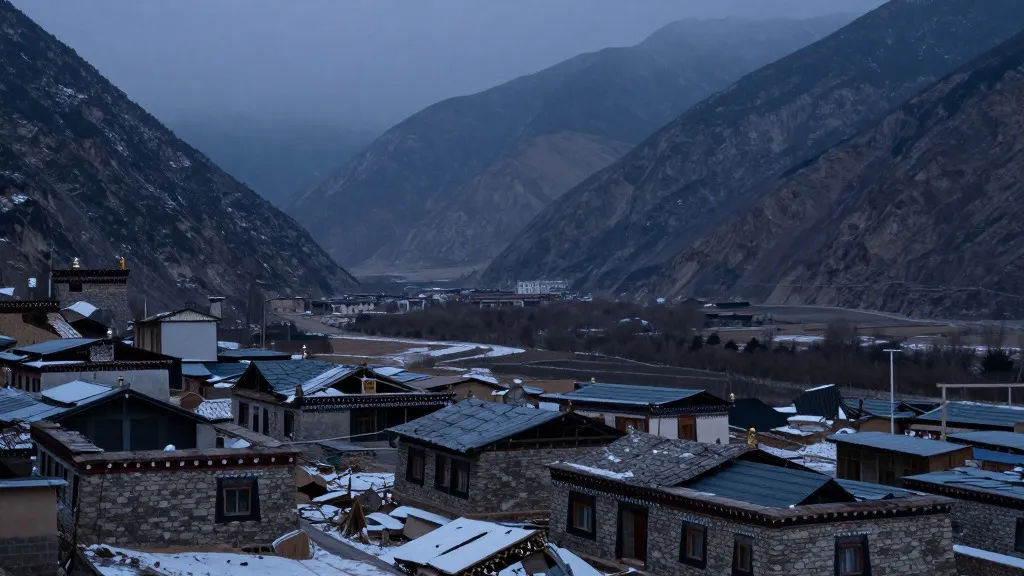
Nagqu mobilizes 1,600 workers as winter storms follow 7.0 quake
The magnitude 7.0 tremor killed 16 people and collapsed 339 homes, forcing the suspension of local rail traffic and the closure of a key highway.
By Ivan Dvorak ·
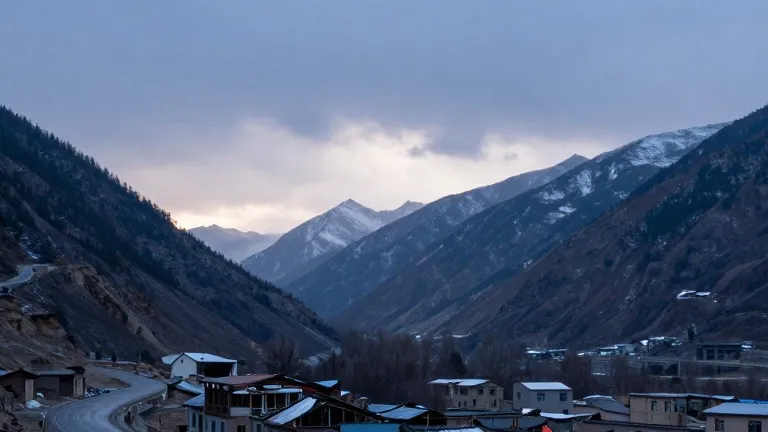
A magnitude 7.0 earthquake struck the Nagqu region of northern Tibet at 10:33 pm local time on Thursday. The tremor killed at least 16 people and injured 54 others, according to Chinese official media. The US Geological Survey placed the epicenter 119 miles east-northeast of Nagqu at a depth of 11 miles. CCTV described the event as the largest quake in the area in five years.
Local officials reported that 339 homes and 20 livestock sheds collapsed in the aftermath. Search and rescue operations continued through Friday as crews worked to clear debris. More than 1,600 personnel from the local county were deployed to assist with the recovery. Xinhua reported that over 300 police officers and nearly 350 fire and rescue service members joined the effort.
Logistical challenges have emerged as weather conditions worsen. Intermittent snow is forecast for the next three days, complicating relief operations. A section of National Highway 317 was closed to general traffic due to rockfalls, allowing only emergency and official support vehicles to pass. Local railway authorities halted trains moving through the region as a precaution.
Supplies have been dispatched to the affected areas to address immediate needs. The shipment includes 1,000 prefabricated housing units, approximately 3,000 tents, folding beds, torches, and winter clothing. Xinhua noted that communications remain down in some parts of the region, hindering coordination between rescue teams.
President Xi Jinping called for an all-out effort in rescue and medical relief. The disaster adds to a recent history of seismic activity in the region. In January 2025, a quake in Tingri county killed at least 126 people. In December 2023, a tremor in Gansu province killed at least 134 people, marking China's deadliest quake since 2014.
Nagqu is located more than 185 miles north of Lhasa. Tibet has experienced frequent seismic events due to its geological position. The region has a history of tension between its ethnic Tibetan population and Beijing, particularly regarding cultural and religious controls. In August, a major flood hit the border area with Nepal, though limited media access obscured the full scale of that damage.