Brussels Targets UK to Close Ukraine's €70bn Gap
EU leaders will ask Prime Minister Andy Burnham to pay more toward Kyiv's 2027 budget as they prepare for a summit on 20 November.
By Pedro Barnes ·
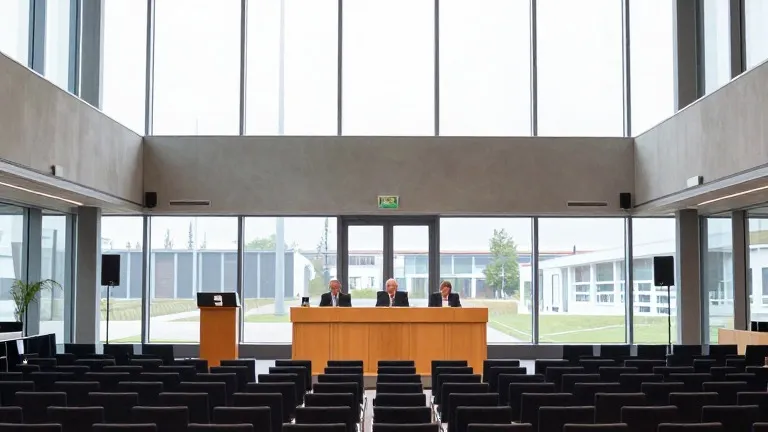
European Union leaders will ask Prime Minister Andy Burnham to pay more for Ukraine's defence next year. They will make the demand when he meets with European Commission President Ursula von der Leyen and European Council President António Costa in Brussels. The summit is scheduled for 20 November.
Ukraine faces a funding gap of €70bn, or £58bn, in 2027. This amount covers military and civilian needs. The European Commission states that the EU and its member states currently pay for 80% of Ukraine's financial needs. Brussels considers a two-thirds share to be fair for the EU block. The remaining third should come from other allies.
Von der Leyen told reporters last week that the EU needs partners to step up. She did not name specific countries in that comment. However, officials have prioritized three G7 nations outside the EU: the UK, Canada, and Japan. Brussels says previous requests for aid from these countries have not been answered. The commission may also look to Switzerland, South Korea, Australia, and New Zealand for extra support.
The UK has committed £25bn to Ukraine so far. This includes £16bn in military aid. The Kiel Institute's Ukraine Support Tracker lists the UK as the fourth largest donor. It ranks behind the US, Germany, and France. Weighted by GDP, the UK contribution is 0.86% of national income. France contributes 1.1% and Germany 1.5%. Denmark leads the list at 4.2%.
British Chancellor John Healey is preparing his first budget next week. He is weighing calls for higher spending against rising borrowing costs and a worsening economic outlook. Healey said earlier this month that he is working on ways to step up support for Ukraine. He cited military, diplomatic, and economic options.
The November summit will cover more than Ukraine funding. Leaders expect to conclude three agreements. One deal will reduce Brexit paperwork on food and animal health. A second will link the EU and UK emissions trading schemes. A third will create a youth mobility scheme for people aged 18 to 30. This scheme would allow them to live, work, travel, and study across the Channel.
The commission proposed delaying the issue of university tuition fees to technical talks. This move aims to avoid derailing the leaders' meeting. The UK wants to charge EU students the international rate. This fee is about four times the domestic rate. The EU wants to return to pre-Brexit rules where EU students paid home rates.
EU diplomats say the three agreements are linked. The food and emissions deals will not come into force until the youth mobility agreement is accepted. One EU diplomat described the package as a gift to the UK, but not a massive one. That diplomat added that the leverage is that the UK needs the deal. A second diplomat noted there is no clear majority among the 27 member states to drop the fee issue for six months.