Colom Holds Narrow Lead Over Hyde-Smith in Mississippi Senate Race
With 95.6% of ballots counted, the Democrat leads the incumbent by 43 votes as both candidates address supporters.
By Ivan Dvorak ·
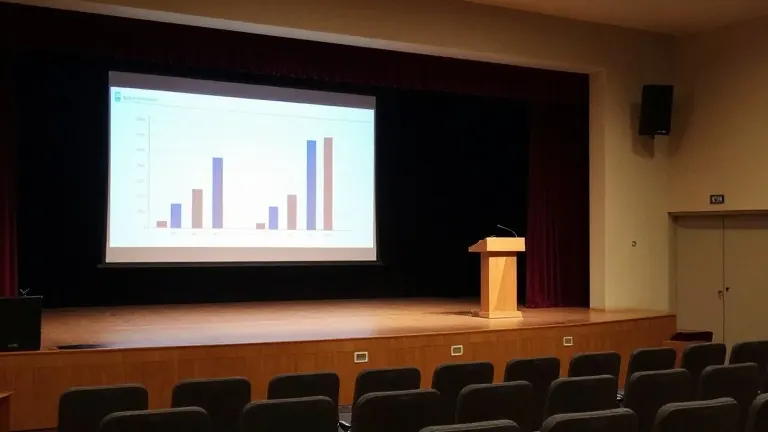
Democrat Scott Colom held a 43-vote lead over incumbent Republican Cindy Hyde-Smith in the Mississippi U.S. Senate race as of 3 a.m. on November 4, 2026. At that time, 95.6% of the state's votes had been tallied. Colom had accumulated 462,821 votes, while Hyde-Smith had 462,778. Independent candidate Ty Pinkins received 19,935 votes in the contest.
The margin between the two major candidates was razor-thin, requiring a recount or further counting to determine the final outcome. Because this was a general congressional election, no runoff procedure would be triggered. The candidate with the highest total vote count would secure the Senate seat regardless of whether a majority was achieved.
Both candidates spoke to their respective watch parties as election night progressed. Neither explicitly declared victory in their addresses, yet both projected that they would hold the office in the coming days. Hyde-Smith described the campaign as strong and stated that she was in a good lead, though she acknowledged that not all votes were in. She assured her audience that she would continue to serve as the state's U.S. Senator.
Colom expressed confidence in his chances, telling supporters that he believed the race would demonstrate Mississippi's importance to the nation. He concluded his remarks by stating that they would win the election. The candidates' comments reflected the uncertainty inherent in such a close race, with each side maintaining optimism based on the preliminary numbers available at the time.
The final certification of the results will depend on the completion of vote counting and any subsequent audits or challenges. Until the official canvass is finished, the 43-vote difference remains the deciding factor in determining who will occupy the Senate seat. The close nature of the contest has drawn attention to the voting patterns in the state's urban and rural districts.