Ukrainian and Polish teams finish Puzhnyky search without finding mass graves
Experts in Ternopil Oblast located a chapel foundation and stone masonry, with LiDAR scanning planned for the next phase of the investigation.
By Ivan Dvorak ·
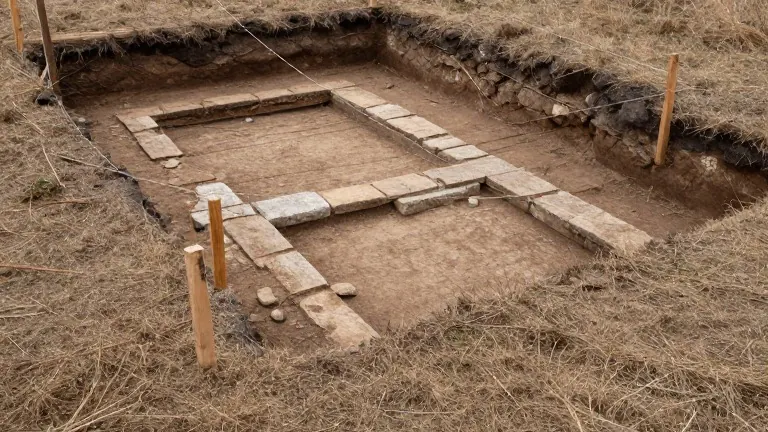
Joint teams from Ukraine and Poland finished the latest round of excavations at the site of the former village of Puzhnyky in Ternopil Oblast. The search aimed to locate the remains of residents killed during the Second World War, but the experts did not uncover a mass grave in this phase.
Volyn Antiquities, the Ukrainian institution leading the on-site work, reported finding the foundation of a cemetery chapel. The team also identified an outbuilding and stone masonry that may be part of a road.
"We preliminarily believe that we have found the foundation of a chapel where the deceased were given funeral services before burial, as well as an outbuilding," Volyn Antiquities said. The specialists added that they found stone masonry which may be part of a road.
The next step involves using Light Detection and Ranging, or LiDAR, to scan the surface of the Puzhnyky site. This technology is expected to help pinpoint the location of the mass grave. Authorities are currently processing the permit required for the survey.
The Polish contingent included experts from the Pomeranian Medical University in Szczecin and representatives of the Freedom and Democracy Foundation. They worked alongside the Ukrainian team from Volyn Antiquities at the dig site.
Puzhnyky was home to a concentrated community of ethnic Poles between the world wars. Archival records show the village suffered an armed attack in February 1945, resulting in the deaths of some villagers and the burning of the settlement.
Search operations at Puzhnyky began on 4 November, according to the Ukrainian Institute of National Remembrance. Previous exhumation work in spring 2025 recovered the remains of 42 people, which were reburied in the village's old cemetery in September 2025. Separately, a Ukrainian expedition in late October 2026 found the remains of more than 40 people in the village of Łasków in Poland's Lublin Voivodeship.