Ukraine confirms satellite links are back to normal after brief outage
Military communications restored ten days after speed caps disrupted drone defense and intelligence sharing.
By Ivan Dvorak ·
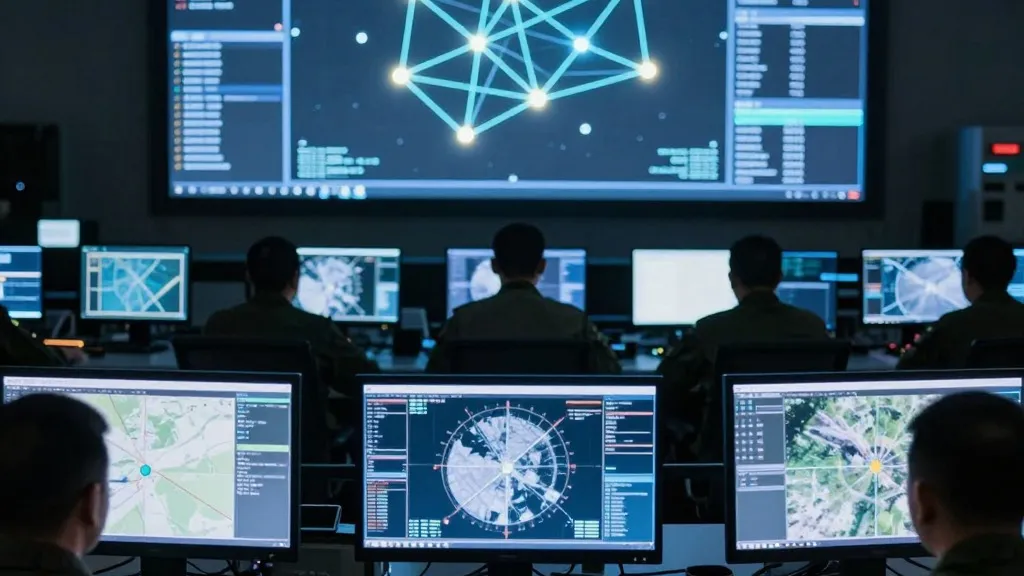
The sudden restriction on satellite communications for the Ukrainian military has officially ended, marking a significant shift in the ongoing diplomatic and technical negotiations between Kyiv and Washington. Ten days after a sudden cap on data speeds disrupted key defense operations, the Ukrainian government announced that its connection to the Starlink network is now stable and fully operational.
The immediate impact of the previous restrictions was severe for frontline units. Speed limits capped terminal operations at 160 kilometers per hour, a constraint that proved critical during high-speed engagements. This technical bottleneck caused several combat missions to fail, particularly those involving the interception of Russian attack drones. The reduced bandwidth also forced the cancellation of operations aimed at striking targets deep behind enemy lines, creating a temporary but significant gap in Ukraine’s defensive and offensive capabilities.
Intelligence sharing suffered alongside direct combat operations. Russian forces were able to launch ballistic missiles at Ukrainian positions without receiving any advance warning from the United States. This lack of early detection highlighted the vulnerability created by the bandwidth limits. The timing of the restrictions coincided with President Donald Trump’s announcement of a deal to purchase Russian diesel, a connection that fueled speculation about the underlying motivations for the connectivity cuts.
Blame for the disruption quickly became a point of contention among American leadership. President Trump initially denied that his administration was responsible for the decision to reduce intelligence sharing. He stated, “I don’t know if it was anybody, but it wasn’t me, and I don’t think it was Elon,” referring to SpaceX chief executive Elon Musk. Secretary of State Marco Rubio later reinforced this position, arguing that the president does not directly manage the company and cannot issue specific directives to it.
Elon Musk, however, pointed the finger back at the government. In a post on X, he described the systems as “owned and controlled by the US government” and asserted that any limits on speed or usage are ultimately decided by the US military and the president. Vice President JD Vance supported this view, noting that Musk did not wish to mediate a war between two state actors without clear government direction. This exchange highlighted the complex relationship between private technology infrastructure and public military strategy.
Ukrainian President Volodymyr Zelenskyy took a more critical stance, assigning responsibility to both parties. He explained, “It was a message from [the] American government to limit the speed, and technically, SpaceX did it.” Zelenskyy emphasized that similar restrictions were not applied to Starshield terminals in European Union countries, suggesting the measures were targeted specifically at Ukraine. He warned that such decisions could lead to human losses, a concern that proved prescient during the days of reduced connectivity.
The resolution was announced by Zelenskyy in a video address on Telegram on Saturday. He thanked US allies, including the State Department and the president, for resolving the issue. The restoration began overnight, and by morning, speeds had returned to pre-restriction levels. Zelenskyy noted that this capacity is essential for frontline logistics and for defending against fast-moving, jet-powered Shahed drones, which require rapid data transmission for effective engagement.
The path to this resolution was not entirely smooth in the final days before the fix. On Thursday, President Trump claimed the service was already at full speed, but a European official disputed this, stating it was not fully functioning. When asked on Friday if he would instruct Musk to stop interfering with access, Trump said he had not spoken to the billionaire but might have to. He added, “If there is a problem, I'll get it straightened out,” while also describing Musk as “very brilliant” and “very good.”
The return to full speed underscores the critical role that private satellite networks play in modern warfare. As conflicts increasingly rely on real-time data and rapid communication, the stability of these links becomes a matter of national security. The incident serves as a reminder that technical infrastructure can be as influential as traditional diplomatic channels in shaping the outcomes of military engagements.
More Politics · World news · Report a business · Got a Story?