Osasco's Shift from Factories to Malls Puts Flávio Bolsonaro Ahead in Brazil Runoff
A former industrial stronghold that backed Lula in 2022 now favors Bolsonaro's son, reflecting a national move toward service jobs and high abstention rates.
By Ivan Dvorak ·
Brazilian voters will cast ballots in a presidential runoff on Sunday, October 25, with the outcome increasingly tied to the decline of factory work in key municipalities. Osasco, a city near São Paulo, illustrates this shift. It supported President Luiz Inácio Lula da Silva in the 2022 election but voted for right-wing candidate Flávio Bolsonaro in the first round this month. Flávio Bolsonaro leads the race nationally, and every winner of the first round since 1989 has gone on to become president.
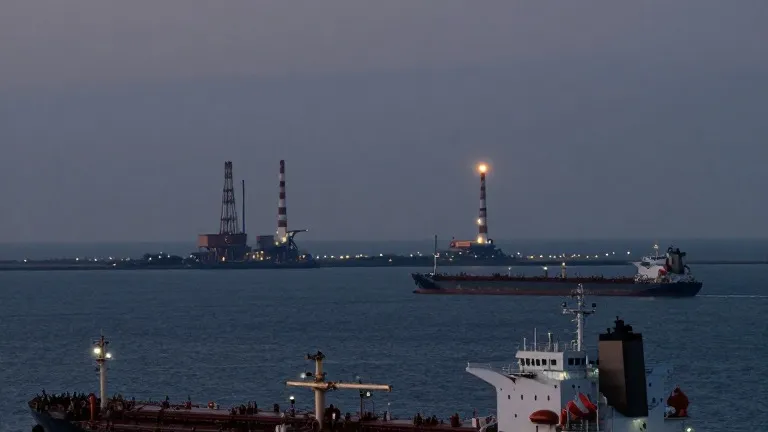
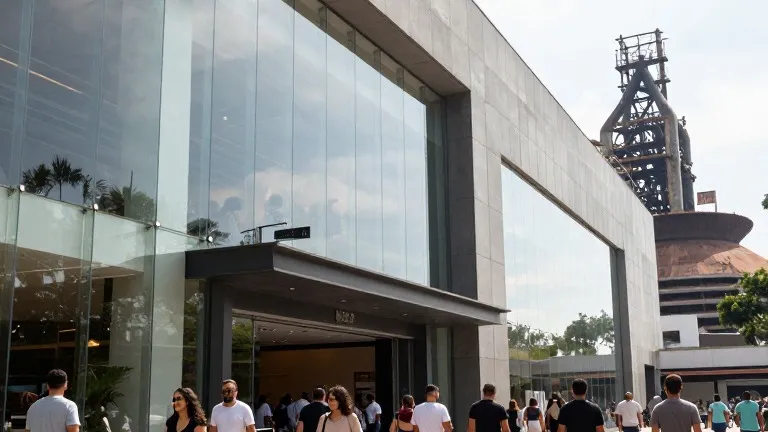
The economic base of Osasco has changed drastically. Metal, chemical, and textile factories that once defined the area have closed. In their place, five shopping malls and delivery app companies have opened. Gilberto Almazan, who leads a local metalworkers' union, describes the transition as a move from an industrial working class to one dominated by gig workers. He calls this trend "Uber-isation." Almazan argues that these workers prioritize flexibility and freedom over the collective welfare structures that traditionally supported Lula. He describes the union movement that helped launch Lula's career as stuck in the "Middle Ages."
Richard Lapper, a biographer of both Lula and Jair Bolsonaro, notes that Brazil industrialized later than other nations but deindustrialized earlier. He calls Lula a "victim of his own success." While unemployment has fallen to a record low and Brazil was removed from the UN's Hunger Map, many citizens feel the benefits are offset by high prices, household debt, and interest rates. Robson, a 53-year-old civil servant who previously supported Lula, blames the government's "mismanagement" for the tax burden. Tairine, a hot dog seller who previously abstained from voting, now intends to back Bolsonaro, stating that nothing has changed since Lula returned to office. Lawyer Gisele Bonfim, a Lula voter in 2022, says Bolsonaro offers "the hope of change."
Flávio Bolsonaro has proposed cutting government spending and ministries while retaining some of Lula's welfare programs. He also faces corruption accusations, which he denies. Participation in the first round was low, with 33 million people not voting. This is the highest abstention rate recorded since 1998.
Lula's campaign is mobilizing large crowds to counter the trend. The campaign reported that a rally in São Paulo drew approximately one million people. Lula, who is 80, uses social media to address concerns about his age, referring to himself as the "king of selfies." In poorer areas, his welfare record still holds weight. In Maré, a large favela in Rio de Janeiro, Lula won despite above-average abstention. Vitoria, an 18-year-old mother earning less than £300 a month, cites the minimum wage increase and free medicines as reasons for her support. She fears Bolsonaro's plan to designate the Comando Vermelho gang a terrorist organization, recalling police raids in Rio last year that killed more than 130 people. Resident Andreza Dionísio attributes low turnout to last-minute polling station changes and a sense of hopelessness.
Religious institutions are also playing a larger role in politics. About a quarter of Brazilians attend evangelical churches, which provide childcare, employment advice, and food. Pastor Silas Malafaia, who is under investigation for allegedly obstructing the coup trial of Jair Bolsonaro, says Flávio Bolsonaro shares the church's values on family and abortion. Almazan fears that "there will never be another Lula" as the economic base of his support continues to shift from factories to services.
More Politics · World news · Report a business · Got a Story?