New Windows Update Lets Users Exclude Specific Apps From VPN Coverage
Proton and Nord software now allow users to bypass encryption for selected applications, improving speed for gaming and local services.
By Pedro Barnes ·
Proton and Nord have updated their Windows clients to allow users to select which applications connect through their virtual private networks and which access the internet directly. This change gives consumers control over data routing that was previously limited to a single on or off switch. The update aims to reduce the performance penalties often associated with encrypting all traffic.
Standard VPN usage creates an encrypted bridge for data, hiding browsing activity from internet service providers and local network observers. However, this encryption typically reduces connection speeds. By excluding specific apps, users can maintain high-speed connections for latency-sensitive tasks like online gaming while keeping sensitive applications protected.
The feature, known as split tunneling, also resolves issues with location-based services. Many apps rely on precise geolocation to function correctly, such as streaming services that restrict content by region or local ticketing platforms. When a VPN masks a user's true location, these services can fail to display relevant information. Excluding these apps from the tunnel allows them to detect the user's actual position.
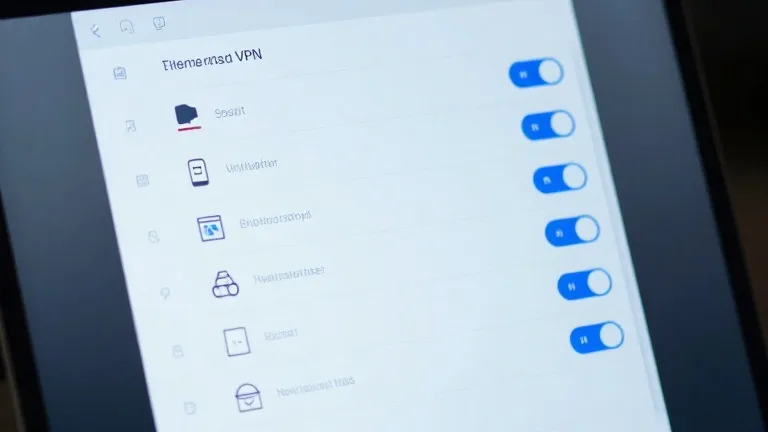
In the ProtonVPN Windows interface, a split tunneling link is located on the right side of the main console. Users can enable the feature and choose to include specific apps in the tunnel while excluding the rest, or vice versa. NordVPN places the control behind a cog icon in the bottom left corner of its interface, where users toggle the setting and select apps for protection.
While app-based routing is the most common consumer method, other versions exist for advanced users. URL-based tunneling filters traffic by domain name, allowing users to protect sensitive search pages while leaving local news sites unencrypted. Route-based and policy-based tunneling rely on IP addresses and complex rule sets, respectively, but remain less common in consumer software.
Mobile devices offer similar options through their respective VPN app settings. Android and desktop platforms generally allow app-level exclusion, whereas iPhones typically limit users to excluding specific websites or IP addresses rather than entire applications. The setup process is generally a one-time task that users can adjust as needed.
Most VPN providers include split tunneling on their paid tiers, making this update a standard feature for subscribers. The ability to route traffic selectively ensures that encryption is applied where security is a priority and removed where speed or local access is required, without requiring users to manually toggle the service on and off.