Apple's Foldable Debut Costs $1,999
The new iPhone Duo returns to fingerprint sensors and offers a refined folding experience despite some software hiccups.
By Pedro Barnes ·
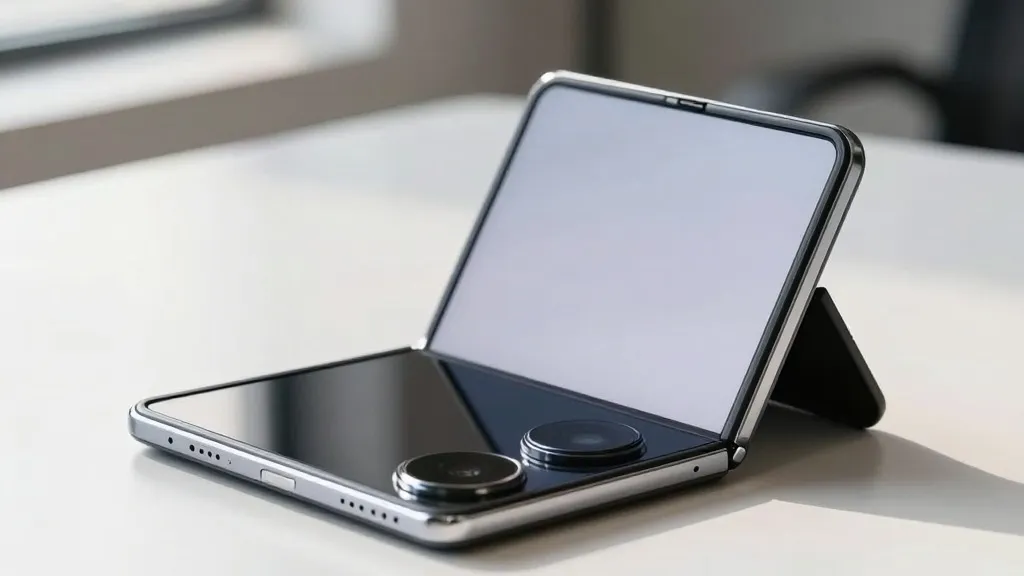
Apple finally cracked the code on folding phones after a long wait.
Seven years after Samsung launched the Galaxy Fold, Apple has released its first foldable device, the iPhone Duo. The company spent that entire period refining the hardware out of public view. Early reviews suggest the patience paid off, with observers describing the device as a very good foldable. At a price tag of $1,999, potential buyers should understand the specific quirks and features before they unfold the box.
The most noticeable issue currently lies in the software ecosystem. The phone features a 5.4-inch outer screen and a 7.6-inner display, a form factor that is new to Apple. Many third-party applications have not yet been optimized for these dimensions. While Apple’s own apps look polished, other programs often appear as narrow strips with thick black bars on the sides. Slack, Instagram, DoorDash, and WhatsApp have received updates for iOS 27.1, though Instagram still shows some broken interface elements. Apple also moved navigation controls to the right rail instead of the bottom center. Since the device is back-ordered for several weeks, developers may have time to catch up before many customers receive their units.
The iPhone Duo breaks from recent design trends by dropping Face ID. Instead, it relies on a Touch ID sensor located on the right side. The device’s thinness is likely the reason for this choice. This marks the first return of fingerprint authentication on a flagship iPhone, although it has remained on the iPhone SE, iPads, and MacBooks. Some users may miss the speed of facial recognition, while others who disliked that method may welcome the change. The Dynamic Island remains, relocated to the top-right edge near the outer selfie camera. It appears in the same corner on the inner display during live activities.
Accessories require some adjustment for the new shape. The device supports MagSafe, but when unfolded and attached to a car dock or tripod, it tips to one side due to uneven weight distribution. Third-party makers might solve this with anti-rotation magnets, which could mean replacing existing gear. Magnetic wallets can attach, but because the phone is shorter than other iPhones, they extend past the bottom edge. Apple offers no official fix for this issue.
Photography is a strong point for the Duo. Users can take selfies using the superior rear cameras while previewing on the outer screen. After launching the camera and flipping the phone, a control labeled Slide to show camera brings the full camera app to the outer display. This includes modes and Photographic Styles, and it disables the inner screen to prevent accidental touches. This feature is separate from Duo Preview, which lets the subject see the viewfinder, and Kids Cue, which plays Snoopy animations on the outer screen to attract a child’s attention.
Multitasking works by dragging an app from the bottom to either side of the inner screen to run two apps side by side. Tapping the middle bar once makes it glow white and locks the two apps as a pair. This pair is accessible from the Recent apps menu, though it cannot be saved as a single icon. Care is needed with the inner display. A case and outer-screen protector are reasonable precautions. Apple says the matte nano-texture finish on the inner screen is an integral component and warns, Don't attempt to remove it. Doing so could void the warranty. Apple does not address third-party screen protectors, which might hurt display performance. A damaged finish can be replaced at an Apple Store or authorized provider for $19, or $49 out of warranty. A cracked inner display costs $999 without AppleCare+.
Several conveniences are on the way. The keyboard can already be split to make typing on the wide inner display easier. A software update later this year will add Reachability, which shifts an app to the left or right instead of pulling it down. Another update later this year will add support for the USB-C Apple Pencil, and only that model. This should make writing and drawing feel paper-like on the nano-texture screen. There is no place to store the stylus on the phone.