Midterm Win Ignites Party Infighting
Democratic leaders face a fractured caucus as progressives and moderates clash over the path forward.
By Pedro Barnes ·
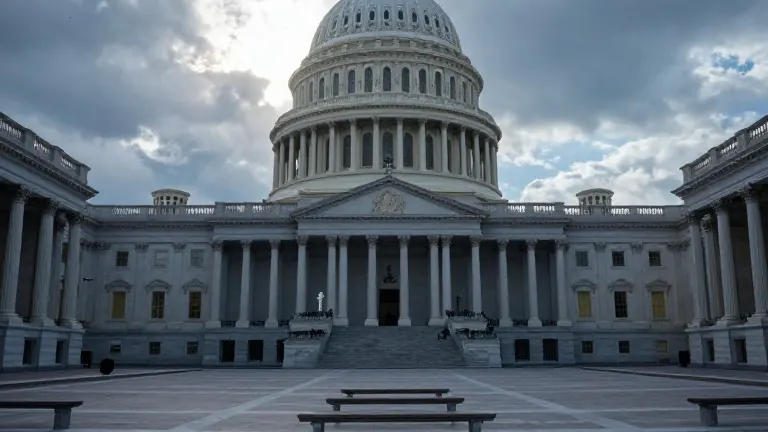
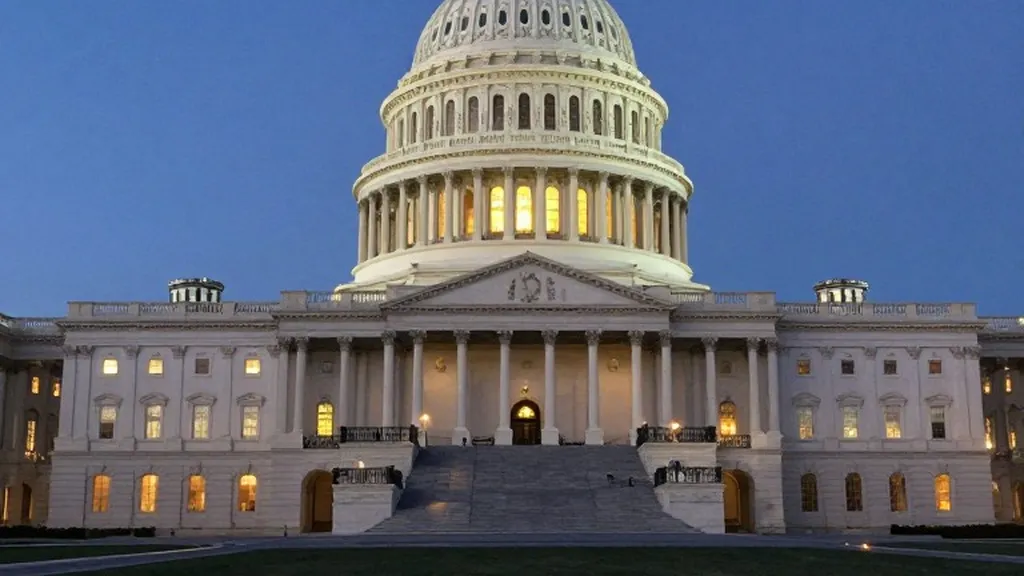
Democratic leaders now control both chambers of Congress, yet the party faces immediate internal friction over its governing philosophy. The recent sweep granted Democrats their largest congressional majority in decades. This victory did not settle the long-standing argument about the party’s identity. Instead, the results gave distinct factions evidence that their specific strategies worked.
The winning ticket included a mix of establishment figures and ideological outliers. Progressives secured Senate seats in Michigan and Maine. Moderates flipped Republican strongholds in Kansas and South Carolina. This diverse coalition complicates the work of House Speaker Hakeem Jeffries and Senate Majority Leader Chuck Schumer. Both leaders won the support of their caucuses, but they now manage members who campaigned against them.
Sen. Chris Van Hollen of Maryland noted that midterm elections do not automatically translate into broad support for the party. He stated that Democrats must earn that support. Rep. Ro Khanna of California predicted an ideological brawl in the 2028 presidential primary. Khanna said he is considering a run for the White House.
Data from the AP Voter Poll shows a shift in the winning coalition. About half of voters who backed Democratic House candidates identified as moderates. This is up from roughly 4 in 10 in the 2024, 2022, and 2018 elections. The poll also identified a generational divide. About one-third of Democratic voters identified as democratic socialists. That figure includes just under half of voters ages 18 to 29, compared with about one-quarter of voters ages 65 and older.
Incoming members are already positioning themselves. Abdul El-Sayed won the Michigan Senate seat after running against the party establishment. He said he intends to force a conversation about the party’s identity. Randy Villegas won a competitive House seat in California. He stated that he will not do the bidding of any party leader. These new voices challenge the traditional hierarchy in Washington.
Former White House chief of staff Rahm Emanuel argued that Democrats must focus on the candidates who flipped red seats. He called them the majority makers. In the new Congress, leaders must balance the demands of the progressive wing with the interests of the New Democrat Coalition and the Blue Dog Coalition. Trump retains his veto power, which limits legislative reach.
Gov. JB Pritzker of Illinois unveiled a 200-point policy agenda for the new Congress. The plan calls for reversing Trump administration policies. Van Hollen said he is considering a 2028 run. He believes the debate over the party’s future will determine whether Democrats hold the White House.