Jenin Cell Tested Three Rockets Before Indictment
Six suspects in their 30s face charges for building launch infrastructure and refining missile capabilities after three successful test firings.
By Leila Reynolds ·
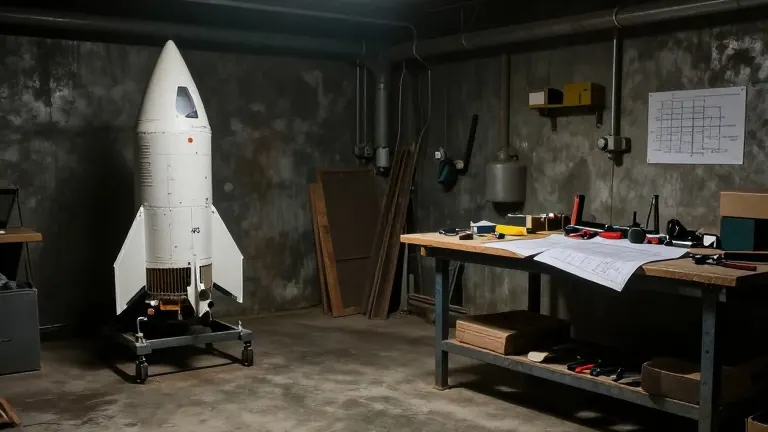
Three successful rocket launch tests were conducted by a terrorist cell in the Jenin area before Israeli authorities moved to indict its members this week. The probes revealed that the group did not stop at initial trials but instead analyzed data from each firing to improve the power and range of their weapons. This iterative approach allowed the cell to refine the capabilities of the rockets they were producing for use against Israel and its security forces.
Six suspects, all men in their 30s from the Jenin area, were arrested over recent months as part of a joint investigation. The operation involved the Israel Police’s Judea and Samaria District Central Unit and the Shin Bet. Prosecutors filed their declaration on Tuesday morning, formally accusing the group of establishing rocket production infrastructure. The arrests marked the culmination of a counterterrorism effort that targeted the specific manufacturing and testing operations of the cell.
One of the indicted suspects admitted during questioning that he helped establish the network and defined its objectives. He confirmed that the test launches demonstrated successful results regarding the rockets' strength and distance. Another suspect confessed to procuring explosives and selling weapons to the group. Investigators believe these specific items were among the materials seized during the arrests. The testimonies provided a clear account of the cell's internal logistics and operational goals.
Security forces recovered a variety of equipment during the operation. The seized items included an M16 rifle and an RPG component. Investigators also obtained documents and instructional materials that offered guidance on manufacturing explosives and rockets. These physical records corroborated the suspects' claims about the technical process behind the weapons. The evidence supported the prosecution's case that a dedicated infrastructure existed for production and testing.
The investigation uncovered external contacts for the cell. The main suspect had been communicating with an individual outside of Israel. This contact provided specific information through a messaging application regarding the materials necessary to manufacture explosives. This remote guidance played a role in the cell's ability to construct functional rocket bodies and explosive devices. The digital trail helped link the local production efforts to outside knowledge.
The case illustrates how small groups in the Jenin area are developing more sophisticated weaponry. The group focused on creating rocket bodies and explosive devices rather than relying solely on standard arms. Their work involved a cycle of testing, analysis, and modification. The indictment of six individuals reflects the scale of the operation and the coordinated effort required to build such a network. The legal proceedings now follow the physical dismantling of the cell's infrastructure.