ExxonMobil Prepares to Pump Carbon Dioxide Under Cheek, Texas
A predominantly Black community has asked regulators to reconsider the permit for the state's first major carbon storage operation.
By Ivan Dvorak ·
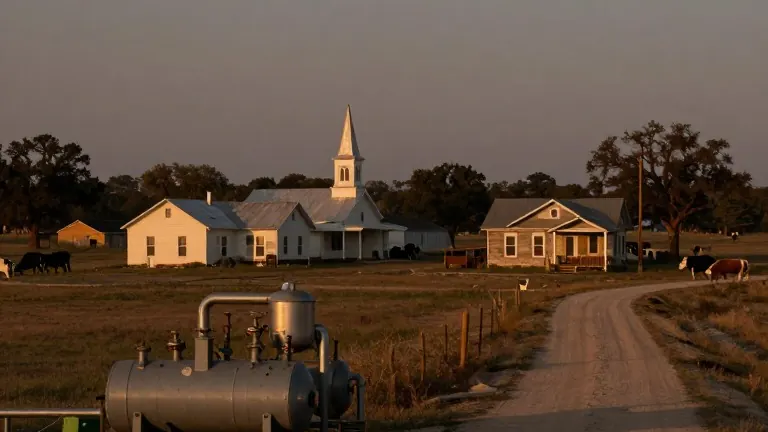
ExxonMobil is preparing to begin pumping carbon dioxide into underground rock formations in East Texas. The project, located on a rural road outside Beaumont, aims to permanently store the gas to reduce its contribution to global warming. If operational, it would be the first major carbon capture and storage site to start functioning in the state. The company plans to compress the gas into an almost liquid state and pump it thousands of feet deep into the earth.
The path to this milestone spans more than a decade of regulatory work. In 2009, Texas lawmakers authorized the Railroad Commission to design a framework for regulating these projects. The state formally applied for federal permitting authority in 2022. The Texas Railroad Commission won that authority from the Environmental Protection Agency late last year. In September of this year, the commission approved the specific ExxonMobil project after a vote.
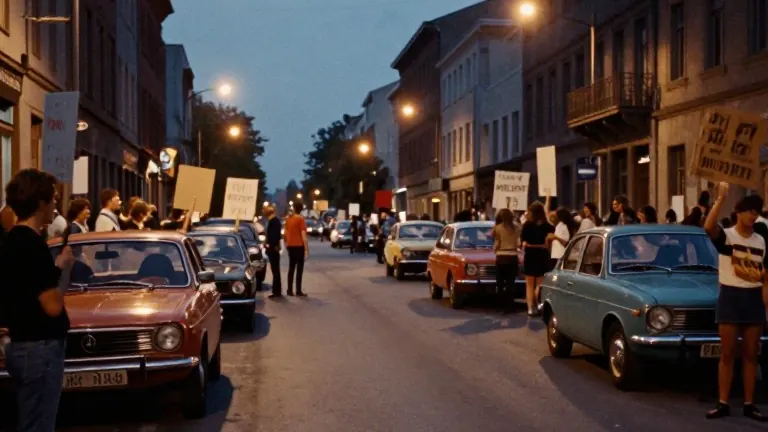
Residents of Cheek, a predominantly Black community near the site, have challenged the decision. The area is largely working class and includes many elderly residents. They do not trust company assurances that their groundwater will remain safe. The Cheek Texas Community Association hired attorneys from the nonprofit Earthjustice in July 2025 to fight the permit. They argued at a state administrative hearing in March that the company had not done enough to ensure water and public safety.
The technical examiner and administrative law judge recommended moving the permit forward to the commission for a vote. The commission granted the permit in September. However, the community has asked commissioners to reconsider the decision. They worry that injected carbon dioxide could contaminate groundwater or escape into the air. They fear that a large enough plume would make it difficult for residents to breathe or escape by car.
Agency watchdogs note the commission has a history of failing to protect communities from industry risks. State Rep. Drew Darby, R-San Angelo, urged the agency at a September hearing to move carbon-capture projects at the utmost pace while protecting the public. The day after Darby's comments, Railroad Commission Chair Christi Craddick scolded ExxonMobil for not supporting residents enough after they hired lawyers. She voted for the permit despite her criticism.
ExxonMobil holds seven agreements with companies to store the greenhouse gas. The volume of carbon dioxide injected through these agreements will equal emissions from 2 million cars. The company has built three injection wells at the edge of the community. It requires automatic shut-off systems, monitoring of the underground plume, and a 24-hour phone number for operators. ExxonMobil also sponsors emergency training programs through the Texas A&M Engineering Extension Service.
Proponents argue that storing emissions is a necessary part of an all-of-the-above approach to fighting climate change. Federal tax credits support these projects. East Texas is attractive due to its existing pipeline network owned by ExxonMobil, its geology, and nearby industrial facilities. Critics, however, point out that companies have canceled or paused nearly a third of 19 proposed carbon storage projects in the state. Harvard University Professor Naomi Oreskes has described the technology as mostly a dangerous distraction.
The project raises questions about environmental justice. Researchers have shown that communities of color suffer a greater proportion of environmental harm. Residents in Cheek feared the company saw their homes as a place where it could more easily and cheaply push a project through. Preston Frank, an 81-year-old upholsterer in Cheek, said the fight is about protecting the value of land his family inherited. He does not want the company to diminish that value.
The commission requires coordination with local emergency officials. A spokesperson for the Railroad Commission said the organization has a record of protecting drinking water while regulating injection wells. The commission stated that winning the authority to regulate carbon storage speaks volumes to its expertise. The case has raised questions about whether companies and the commission are doing enough to address community concerns as a backlog of projects awaits approval.