Democrats Seize Both Chambers in 2026 Midterm Landslide
The party of the opposition takes control of the House and Senate with decisive majorities, setting the stage for immediate legislative battles.
By Leila Reynolds ·
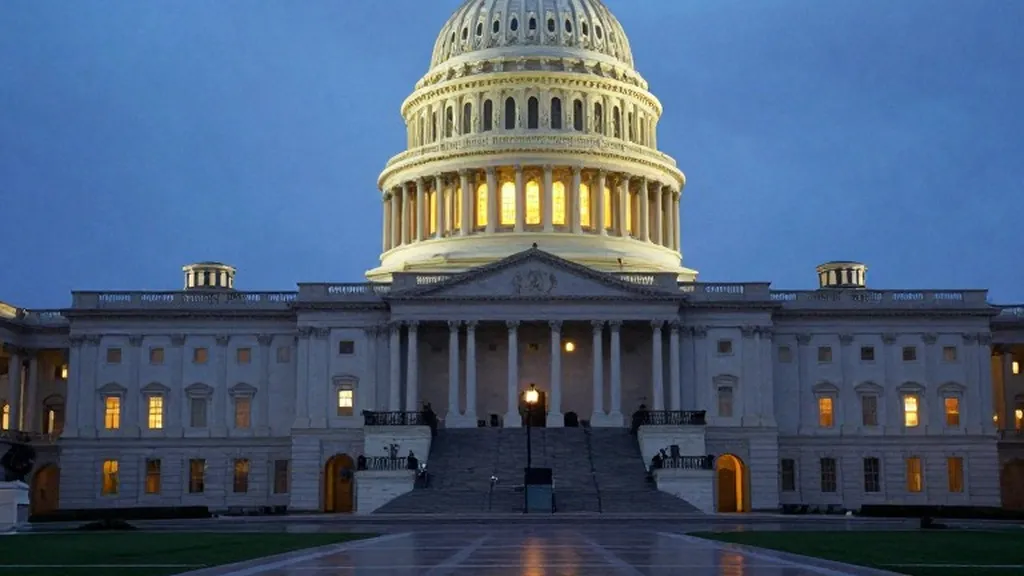
The political landscape in the United States shifted dramatically following the midterm elections held on November 3, 2026. Democrats secured majorities in both chambers of Congress, marking a significant reversal of power in Washington. The results, compiled as of 4:00 PM ET on November 6, indicate that Democrats have captured at least 43 House seats that were previously held by Republicans or independents. In the Senate, the Democratic Party gained seven seats, all of which were formerly under Republican control.
With these victories, Democrats now hold at least a 250-157 majority in the U.S. House of Representatives. In the Senate, the new balance of power stands at 54-44 in favor of Democrats. This net loss of at least seven Senate seats for Republicans places this election cycle within the top 20% of historical election years in terms of seat swings against the president's party. Analysts have defined this threshold as a wave election, signaling a strong mandate from voters for change in the legislative branch.
The House of Representatives has not quite reached the specific numerical threshold for a wave election, which requires a net loss of 48 seats. However, the Republican net loss of 42 seats is substantial, and uncalled races may still alter the final total. The magnitude of the shift reflects a broader trend in state-level politics as well. Democrats won a plurality of state government trifectas and state legislative chambers. They also secured a majority of governorships for the first time since before the 2010 elections, indicating a nationwide realignment of power.
The immediate implications for governance are profound. With control of both the House and the Senate, Democrats possess the legislative authority to initiate oversight investigations and shape budgeting processes. This new power dynamic allows them to challenge executive branch policies with greater force. The transition of power will be formalized when the new Congress convenes in January, but the political momentum is already evident in the actions of incoming leaders.
Key figures in the new Democratic leadership have already outlined their priorities. Rep. Bobby Scott of Virginia, who will lead the House Committee on Education and the Workforce, has pledged to use investigative powers to examine the administration's handling of federal agencies. He sent letters to federal agencies to preserve records, signaling an early push for accountability. Sen. Elizabeth Warren of Massachusetts has called for holding the administration accountable for specific policy decisions, particularly those affecting education and student loans.
The Democratic strategy involves using the power of the purse to establish guardrails on executive actions. Sen. Chris Van Hollen of Maryland, a member of the Senate Appropriations Committee, indicated that Democrats will seek to add conditions to spending bills. This approach aims to prevent further administrative changes that Democrats view as detrimental to federal programs. The focus includes the dismantling of the Department of Education and the restructuring of higher education funding. These legislative tools offer a more durable check on executive power than temporary political pressure.
Republican leaders have expressed frustration with the timing of certain legislative moves, but they retain control of the Senate until the new Congress takes office. Senate Majority Leader John Thune acknowledged the uncertainty of the coming weeks, stating that the Senate will deal with any impeachments or bills accordingly. House Speaker Mike Johnson, who served as the final speaker for the outgoing Republican majority, expressed concerns about the optics of impeachment proceedings during ongoing foreign policy conflicts. However, the shift in power dynamics suggests that the incoming Democratic leaders will move quickly to assert their agenda.
The election results also highlight the complex role of religious and demographic groups in American politics. In California, the election of Xavier Becerra as governor continues a streak of five consecutive Catholic governors. This trend underscores the deep roots of Catholicism in the state's political fabric. Becerra, a Democrat, won the support of a majority of Catholic voters, particularly among Latino Catholics. This result illustrates the diverse voting patterns within religious communities, which often do not align neatly with traditional partisan lines.
The new Democratic majorities in Congress are expected to prioritize several key areas in the upcoming legislative session. Oversight of the Department of Education is a central focus, with plans to investigate the transfer of functions to other agencies. Democrats are also preparing to address federal student loan oversight and anti-discrimination policies. The incoming leadership has emphasized a commitment to rebuilding trust in federal institutions and ensuring that executive actions are subject to robust congressional review. This approach reflects a broader desire to restore checks and balances in the government.
As the new Congress prepares to convene, the focus will turn to the specific mechanisms of legislative control. Democrats intend to use appropriations bills to rein in executive branch initiatives that they view as overreach. This strategy is seen as a practical way to prevent further damage to federal programs without requiring a full legislative reversal of executive orders. The incoming leaders have indicated that they will work to establish clear parameters for executive action, ensuring that future administrations are held to consistent standards of accountability.
The election outcomes have also influenced the tone of political discourse in Washington. With a clear mandate from voters, Democrats are expected to be more aggressive in their legislative priorities. This shift is likely to result in more frequent clashes with the executive branch, particularly on issues related to education, foreign policy, and domestic regulation. The coming months will test the ability of the new Democratic Congress to implement its agenda while navigating the complexities of a divided government. The results of the 2026 midterms mark a new chapter in American politics, with both parties preparing for a period of intense legislative activity.