Tuskegee Airmen Combat Record Draws New Attention Ahead of Veterans Day
Approximately 450 Black pilots flew over 4,000 combat missions, earning unit citations and dismantling the military's racial segregation policies.
By Pedro Barnes ·
Veterans Day arrives with renewed focus on the operational history of the Tuskegee Airmen. The group of African American pilots and support staff served in the U.S. Army Air Forces during World War II. Their service provided a practical counter-argument to the military's long-standing segregation policies.
The training program began at Tuskegee Army Air Field in Alabama in July 1941. Between 1941 and 1946, approximately 992 Black pilots earned their wings through the program. Thousands of additional African Americans trained as mechanics, navigators, bombardiers, and engineers. The first class of pilots graduated in 1942 after rigorous academic and flight instruction.
Combat operations for the Airmen spanned North Africa and Europe. Approximately 450 Tuskegee-trained pilots flew overseas. They performed fighter patrols, attacked ground positions, and escorted Allied bombers. The 99th Fighter Squadron, activated in March 1941, deployed to the Mediterranean Theater in 1943. Its pilots supported ground forces in North Africa, Sicily, and Italy.
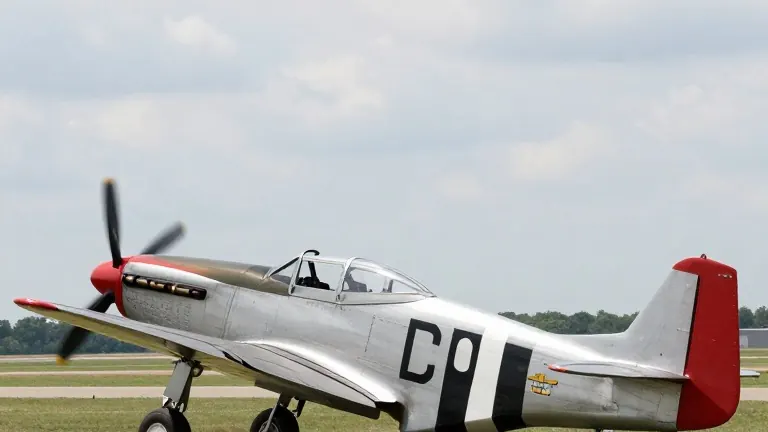
The 332nd Fighter Group, known as the Red Tails, joined the 99th in July 1944. This integration brought four African American fighter squadrons under one command. The group received a Distinguished Unit Citation, now called the Presidential Unit Citation, for its performance. The 99th Fighter Squadron also earned two Presidential Unit Citations for its service in the Mediterranean.
Historical records indicate the 99th and 332nd together recorded 112 aerial victories during the war. A specific mission on March 24, 1945, saw the 332nd escort B-17 bombers to Berlin. During that flight, pilots engaged German Me 262 jet fighters and shot down three of the advanced aircraft. The group's ability to protect bomber formations earned them constant demand from Allied bomber units.
Not all units deployed for combat. The 477th Bombardment Group trained crews to operate twin-engine medium bombers, including the B-25 Mitchell. However, racial discrimination prevented the group from seeing overseas combat. In 1945, more than 100 Black officers were arrested at Freeman Field in Indiana after challenging segregationist policies at officers' clubs. This incident exposed the inequalities faced by African American servicemen.
Other Tuskegee-trained aviators served as liaison pilots. They supported the 92nd Infantry Division in Italy and the 93rd Infantry Division in the Pacific. Their duties included artillery observation and battlefield reconnaissance. C. Alfred Anderson, the first Black American to receive a commercial pilot's certificate in 1932, helped train many of these cadets. He also flew First Lady Eleanor Roosevelt to Tuskegee, bringing national attention to the program.
More Business · Business Complaints · Report a business · Got a Story?