Home Inspectors Identify Four Specific Noises That Signal Structural and Electrical Failures
Experts advise homeowners to monitor for popping, scratching, dripping, and flickering lights, which often precede costly repairs or safety hazards.
By Pedro Barnes ·
Home inspectors and plumbing specialists have identified four distinct auditory cues that signal underlying structural, mechanical, or electrical failures in residential buildings. While some noises are benign, professionals advise that persistent, unexplained sounds often indicate that a component is under stress or malfunctioning. Addressing these issues early can prevent minor repairs from escalating into major structural or electrical hazards.
Melissa Coon, a home inspector based in Oklahoma City, noted that repeated popping sounds can indicate framing errors. She explained that the noise often results from a rafter joint snapping or moving because the cut was not flush with the wall. In one instance, Coon inspected a new home where a family reported popping in the bedroom. She advised the family to sleep elsewhere that night. The following day, the roof collapsed into the master bedroom after an unsupported rafter broke and slipped off the top of the wall.
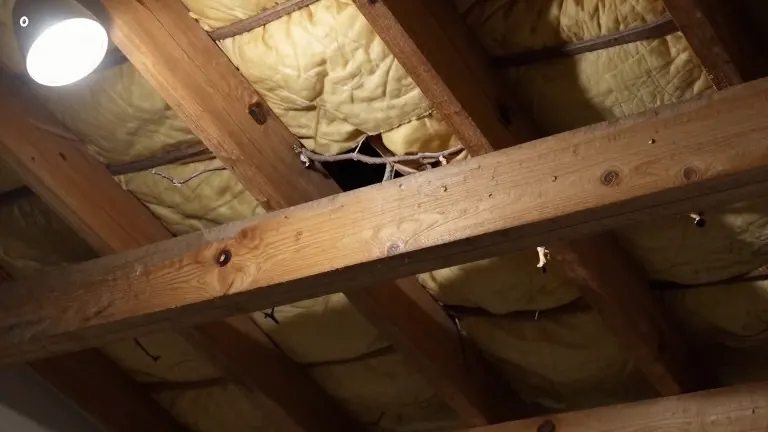
Scratching, rustling, or thumping sounds within walls or attics typically point to the presence of insects or animals, according to Courtney Klosterman, a home insights expert for the property insurance company Hippo. Klosterman warned that these creatures can settle in insulation, affecting temperature regulation. They can also gnaw on electrical wiring, which may lead to short circuits, malfunctions, or fires. Coon added that hanging trees over a roof can exacerbate this problem, as swaying branches can tear asphalt shingles and create entry points for pests.
Plumbing issues often manifest as rushing water or dripping sounds. Kelly Ireland, a plumber in Philadelphia, stated that unexplained tapping when water is turned on is usually caused by lines expanding and contracting. However, a toilet that runs without use typically indicates a poor flapper or a bad fill valve. Ireland cited cases where homeowners received water bills exceeding $300 due to constantly running toilets. She also noted that a faucet dripping at night may require replacing a shower mixing valve.
Electrical anomalies, such as lights turning on or off without input, are frequently caused by fixture overload. Coon explained that many modern fixtures are not designed for LED bulbs, leading to flickering. She recommended checking the designated wattage or amperage of the fixture. Klosterman added that flickering lights, especially when accompanied by high-pitched ringing, buzzing, or burn marks, can signal loose wiring or a malfunctioning component. Coon noted that random dimming, or brownouts, often occur when high-amperage devices like electric heaters are plugged into outlets that cannot handle the load.
Experts suggest simple diagnostic steps for homeowners. Ireland recommended placing a paper towel under a suspected fixture to check for wetness. Coon advised checking attic noises immediately if they are accompanied by popping sounds. For electrical issues, verifying bulb compatibility and outlet capacity are the first steps.
The timing of these inspections is often tied to seasonal changes. Coon noted that brownouts are more common in winter when electric heaters are used. Ireland emphasized that water issues can lead to financial strain if left unaddressed. Coon stressed that a new home is not immune to framing errors, as evidenced by the roof collapse she witnessed.
Klosterman highlighted the connection between pest intrusion and electrical safety. She explained that animals gnawing on wires can cause fires. Coon added that trees overhanging a roof can damage shingles, creating pathways for these animals. Ireland pointed out that minor plumbing fixes, such as replacing a valve, are often inexpensive compared to the cost of water damage or high utility bills.
The professionals agree that while some noises are harmless, others require professional attention. Coon specifically warned against ignoring popping sounds in the attic. Ireland suggested that homeowners should not assume a dripping faucet is a minor inconvenience until they have ruled out a failed valve. Klosterman urged homeowners to inspect insulation if they hear scratching sounds, particularly in older homes.
These warnings serve as a practical guide for residents monitoring their homes. By identifying the source of specific sounds, homeowners can determine whether a simple part replacement or a structural inspection is needed. The experts emphasized that early detection is key to preventing larger failures.