Democrats Win Control of Congress in Historic 2026 Midterm Sweep
Democrats secure majorities in both chambers, triggering a new era of oversight and accountability measures against the executive branch.
By Pedro Barnes ·
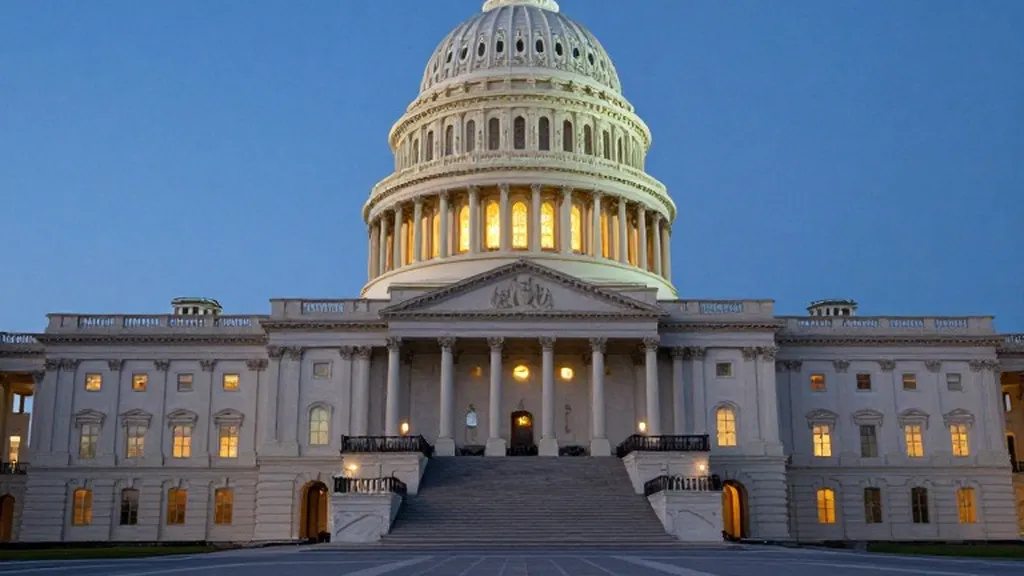
The 2026 midterm elections concluded with a decisive shift in power, as Democrats secured control of both the House of Representatives and the Senate. This outcome marks a significant turning point for the legislative branch, which now holds the authority to conduct aggressive investigations into the executive branch. The results signal an end to the previous period of divided government and set the stage for a more confrontational relationship between Congress and the White House in the coming years.
Democratic House leader Hakeem Jeffries, who is poised to become the nation's first Black House speaker, outlined the new direction for the party. He stated that the days of Democrats not fighting back are over. Jeffries emphasized that if individuals in the administration have shortchanged or stolen from the American people, they need to be held accountable in a manner consistent with Congress's constitutional role. This statement sets a firm tone for the upcoming session and indicates that impeachment remains a viable option for the new majority.
Rep. Robert Garcia, who is expected to chair the powerful House Oversight Committee, has already begun preparing investigations into what he describes as the Trump crime family. Garcia told reporters that Democrats will not be intimidated by the combative stance of the executive branch. His comments reflect a broader strategy among the new congressional leadership to use investigative tools to check the power of the presidency and scrutinize the administration's actions.
President Donald Trump and his Department of Justice have responded to the election results with a defiant posture. Trump declared on social media that the investigative requests made by Democrats amount to extortion at the highest level. He argued that those making these requests should be held accountable for their actions. This rhetoric suggests that the administration expects a long and intense battle over the scope and nature of congressional investigations.
Attorney General Todd Blanche echoed the president's sentiments, stating that criminal investigations of Democrats are possible. He noted that members of Congress are not allowed to threaten existing members of the administration or companies. Blanche suggested that President Trump is extremely worried about these threats and that his concern is justified. This alignment between the White House and the Justice Department indicates a unified front in the face of the new congressional majority.
Despite the aggressive posture of the new leadership, tensions exist within the Democratic ranks regarding the pace and focus of the oversight agenda. Some lawmakers warn that the central promise of lowering the cost of living must take precedence over conflict with the White House. There is a fear among certain Democrats that their healthy majorities could prove fleeting if the agenda is defined primarily by confrontation with the president rather than by delivering tangible results to voters.
Sen.-elect Adam Hamilton, the first Democrat elected to the Senate from Kansas in 94 years, expressed skepticism about the likelihood of impeachment. He stated that his campaign was focused on bringing people together and that he does not want the next two years to be spent dividing the country further. Hamilton indicated that he is more interested in setting up guardrails than in pursuing impeachment, although he acknowledged that some investigations are necessary to examine what has happened in Washington.
Sen. Bernie Sanders, a Vermont independent who caucuses with Democrats, offered a similar perspective. He said he wants to hold the president accountable but warned that there is only so much time available for investigations. Sanders emphasized the need to stand up for working-class families and make a real difference in their lives. His comments highlight the internal debate within the coalition about balancing accountability with legislative productivity.
The new congressional majority also faces challenges in working with the executive branch on a daily basis. Jeffries cast doubt on the prospect of collaborating with Stephen Miller, whom Trump chose as his new chief of staff. Jeffries called Miller an awful choice and stated that there would not be an opportunity to work with him and what he represents. He said Democrats are committed to forcefully pushing back against the extremism that the administration may try to unleash on the American people.
The election results also brought a wave of historic firsts for Native American women in politics. Crystalyne Curley was elected the first woman president of the Navajo Nation, narrowly defeating attorney Justin Jones according to unofficial results. Curley, who was inspired by a third-grade field trip to the Navajo Nation Council, said she is a win for all Navajo women. She and her running mate, Chris Deschene, plan to transition the tribe away from coal development and reassert its role in national discussions on federal Indian policy.
In the U.S. Senate, Peggy Flanagan became the first Native American woman elected to the chamber. Flanagan, a citizen of the White Earth Nation and the state's outgoing lieutenant governor, credited Native women for her victory. She said she could not have run for the Senate without the support of Native women. Flanagan will join Oklahoma Republican Sen. Tom Cole, a citizen of the Chickasaw Nation, in the Senate, marking a significant milestone in the representation of Native people in the federal legislature.
Deb Haaland made history in New Mexico by becoming the first female Native governor of a U.S. state. Haaland, a Laguna Pueblo citizen, reflected on the support she received from Native voters and other Native women in politics. She said it makes her very happy to have a presence in the governor's mansion and that it matters for people to feel represented. Haaland is tasked with making life more affordable for New Mexicans and addressing persistently poor education outcomes in the state.